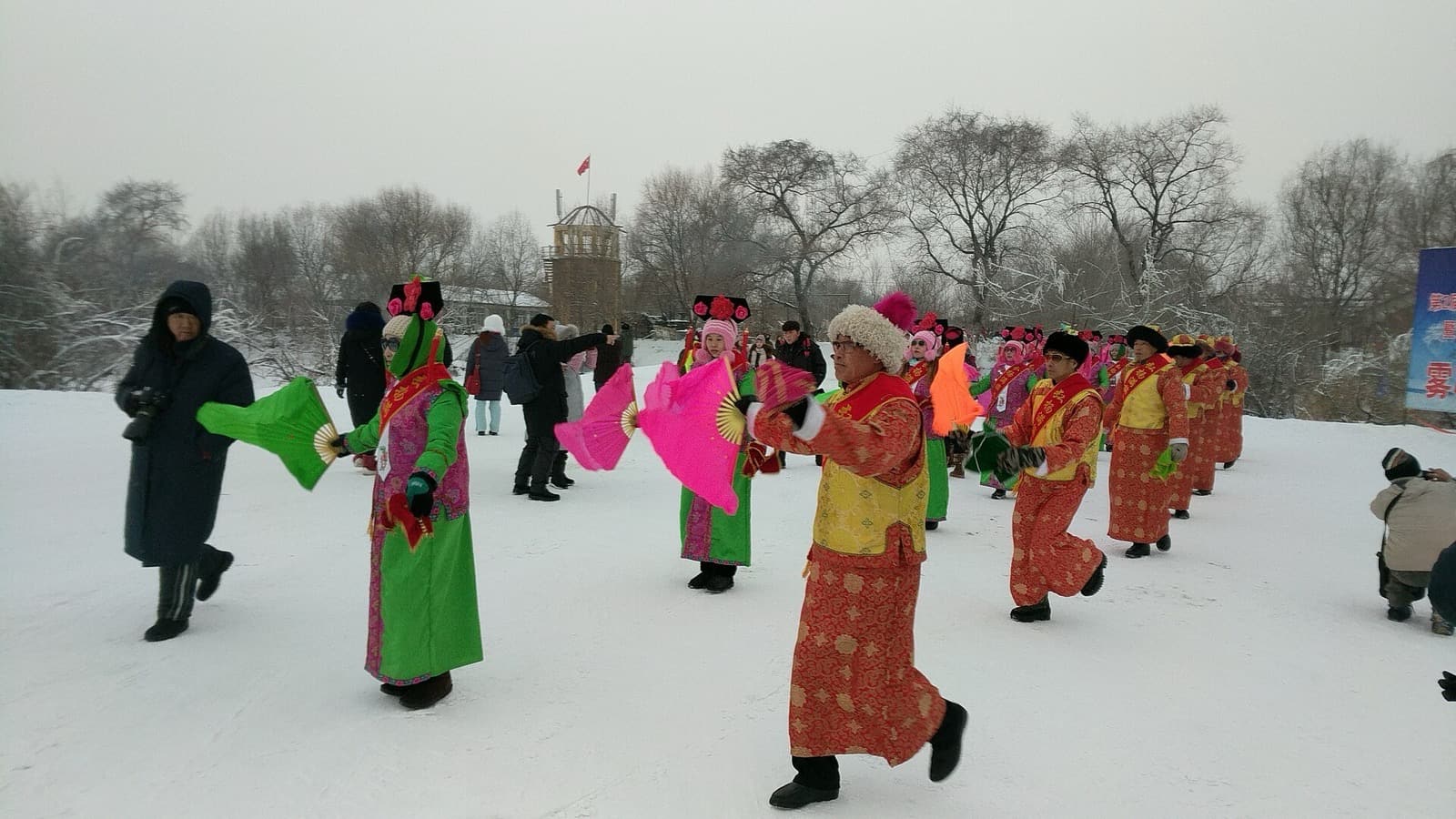
The ice and snow circuit
Harbin Ice and Snow World opens around December 25 and runs into late February: −18 to −25°C, tickets ¥330, and best visited after dark when the sculptures are lit. Add the Yabuli ski resort, Jilin’s rime ice at Jilin city in January, and Shenyang’s palace. Book accommodation two months ahead for the Spring Festival period.
Where winter is pleasant
Sanya in Hainan (22–28°C), Xiamen (15–22°C), Kunming (10–20°C), Hong Kong and Macao stay mild, and Yunnan’s Xishuangbanna is warm all winter. These are the domestic winter escapes, so January prices in Sanya approach summer Europe levels. Book flights early and expect beach hotels to be full around Chinese New Year.
Cold-weather practicalities
Northern buildings are heated to 22–25°C, so dress in layers you can remove: thermal base, mid-layer, down jacket, hat, gloves and shoes with grip for ice. Outdoor phones lose battery fast at −20°C; keep yours inside your jacket. Beijing in January is dry, clear and crowd-free — the Great Wall at Mutianyu is often nearly empty on weekdays.
Common questions
Is Harbin worth visiting in winter?
Yes if you accept −20°C. The ice festival runs from late December to late February, and the city pairs well with Yabuli skiing and Jilin’s rime ice. Book hotels in November for January dates.
How cold does Beijing get in winter?
Daytime −2 to 5°C, nights down to −10°C, with dry air and little snow. It is far more manageable than Harbin and the low season means short queues at the Forbidden City and the Wall.
Official sources
- China Meteorological Administrationwinter climate data
Tours
Written and re-verified by our local team.