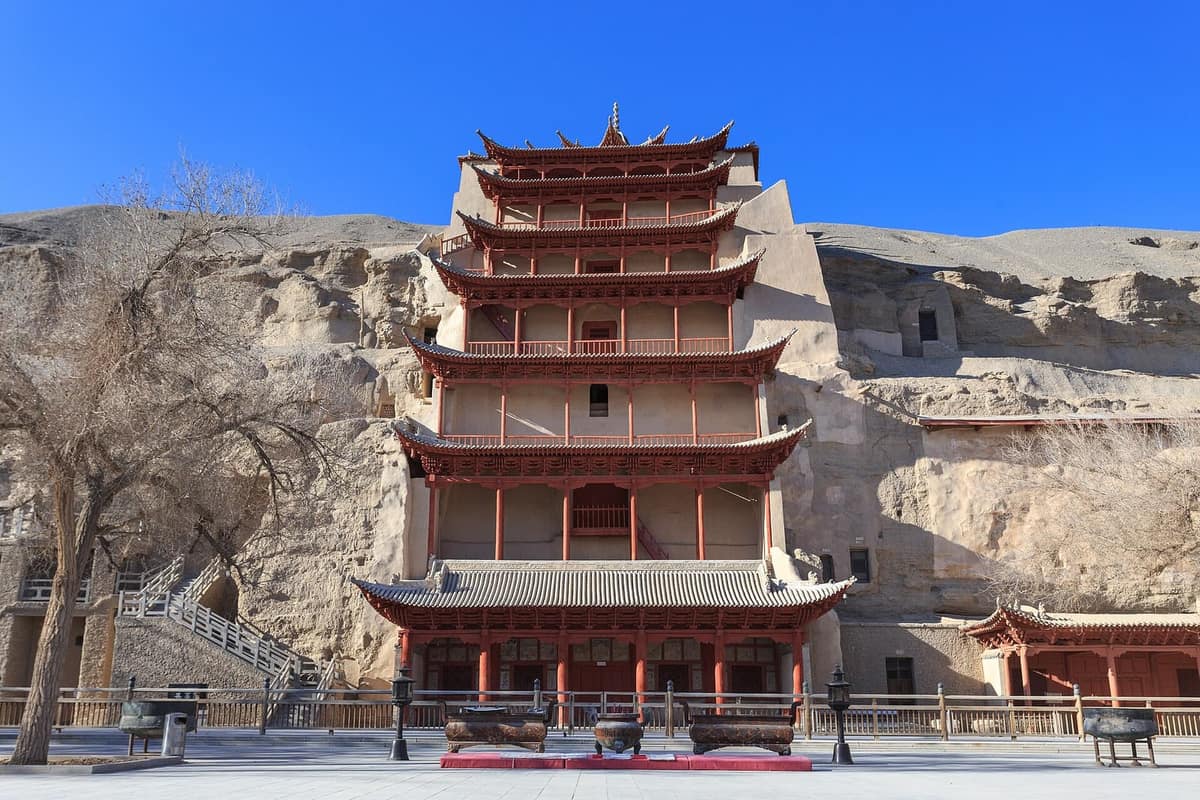
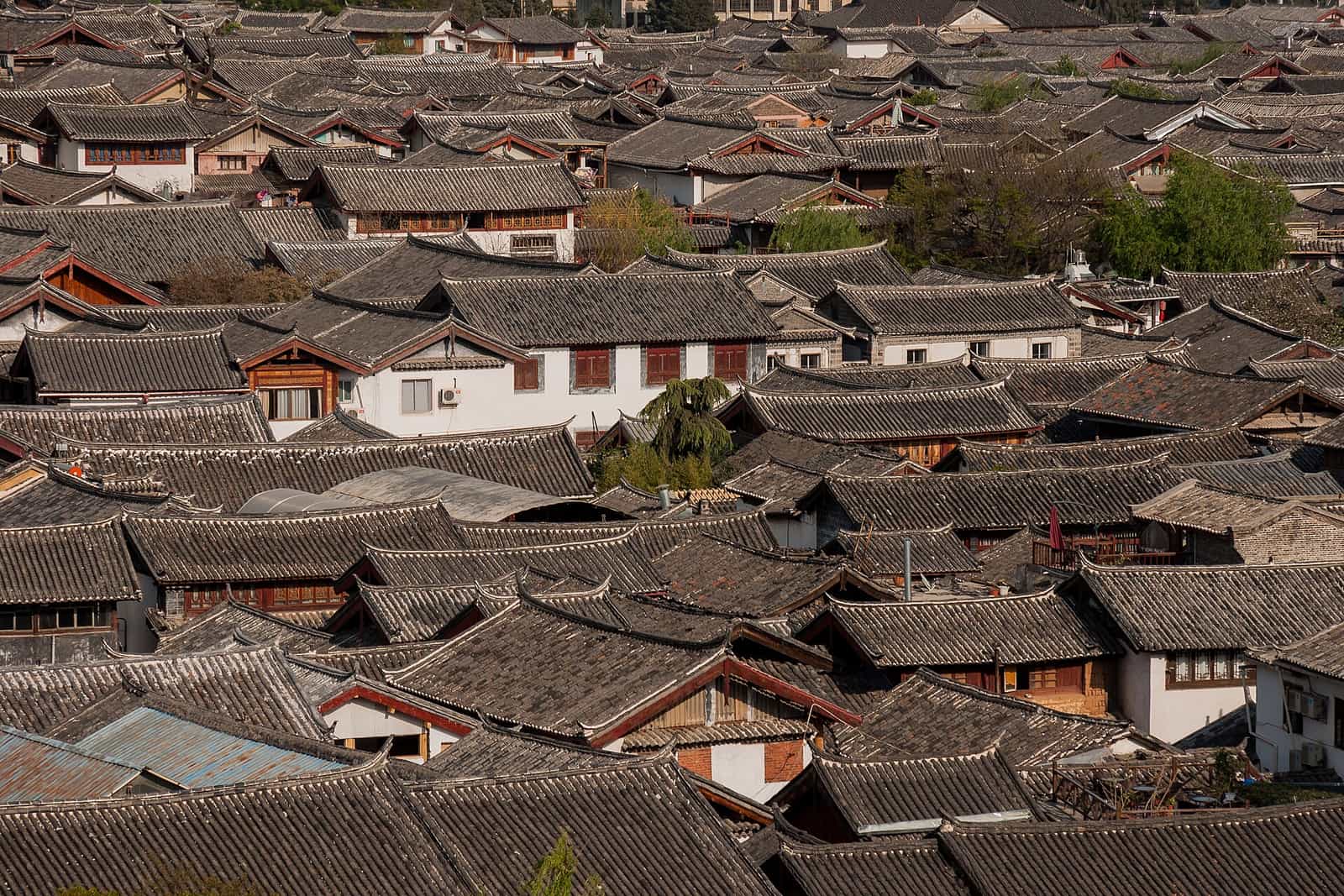
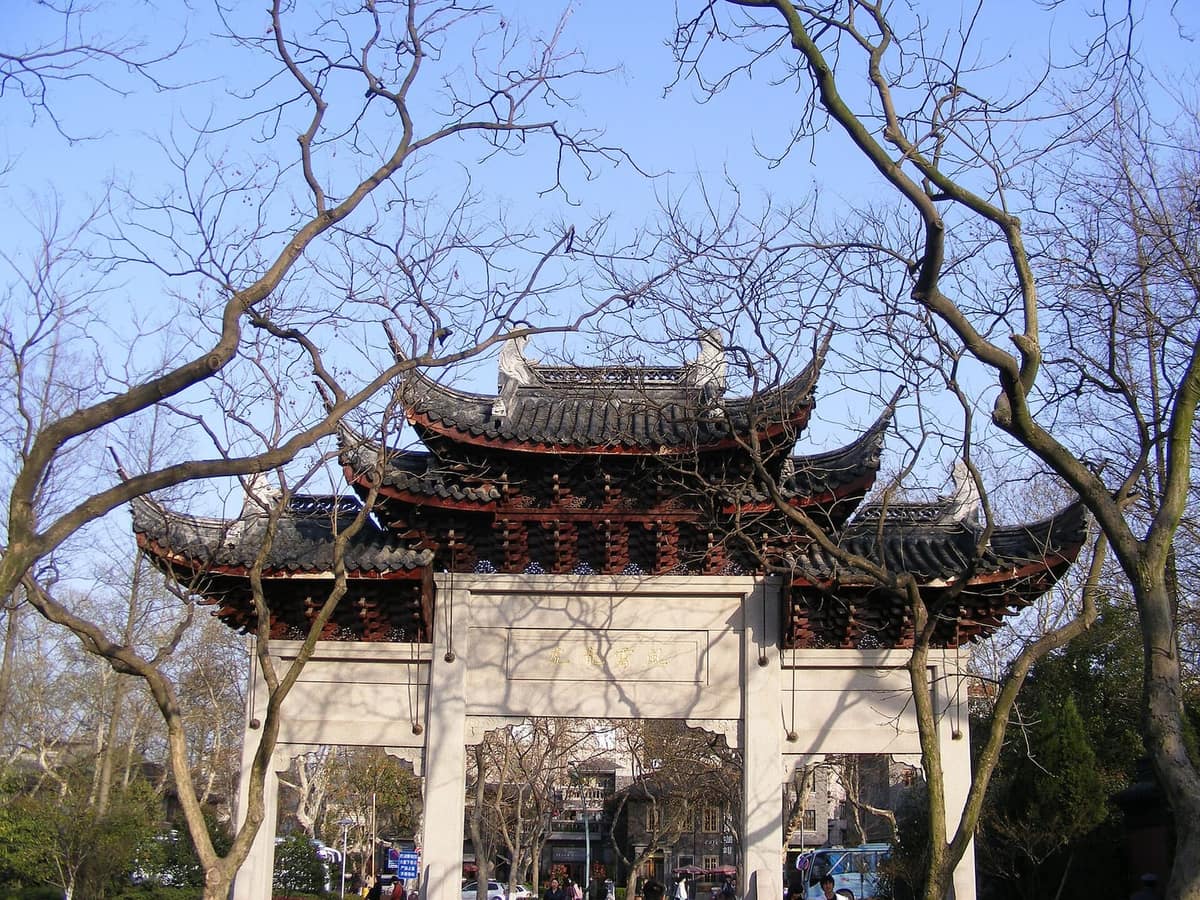
在中国待一周,我该去哪儿?
由北京和西安开始,住两个城市只有一个星期 就能让你有时间 不再换酒店
从第一次乘坐高铁到如何比较行程报价,按你关心的问题查找攻略。
由北京和西安开始,住两个城市只有一个星期 就能让你有时间 不再换酒店
比较相同日期和房间安排的报价。比较头条价格前,检查列车,车站调车和吸引力票是否包括在内.
筑成成都周边之旅,为熊猫留一早.分享孩子的年龄, 并选择步行时间。
选择更少的过夜停留。询问每个景点的楼梯,与落地点的距离,以及安顿在路线之前的休息时间在哪里.
The best months to visit China are April–May and September–October, when the weather is mild and crowds are manageable. Avoid the National Day Golden Week (October 1–7), when major attractions see visitor numbers more than three times their normal level. Northern China freezes in winter (down to −10°C), while the far south stays hot and humid year-round.
阅读攻略Most overseas visitors spend $2,000–3,500 per person for an 8–10 day China trip (excluding international flights), touring in a small group with hotel, transport, tickets and guide included. Budget travelers can go lower at $120–180/day; a comfortable 4-star trip runs $200–320/day. Here are the real numbers, the costs people underestimate, and how to bring the total down.
阅读攻略是的——中国是世界上最安全的大国之一,暴力犯罪率很低,街道上可以一个人在深夜里无所畏惧地独自行走.真正的风险不是大多数旅行者担心的:交通(特别是不收成的电动自行车),流行地点的人群,山上登山时的高度和寒冷,以及日常的麻烦来自于不知道当地规则.这个指南告诉你什么是安全的, 需要注意什么, 以及如何处理它。
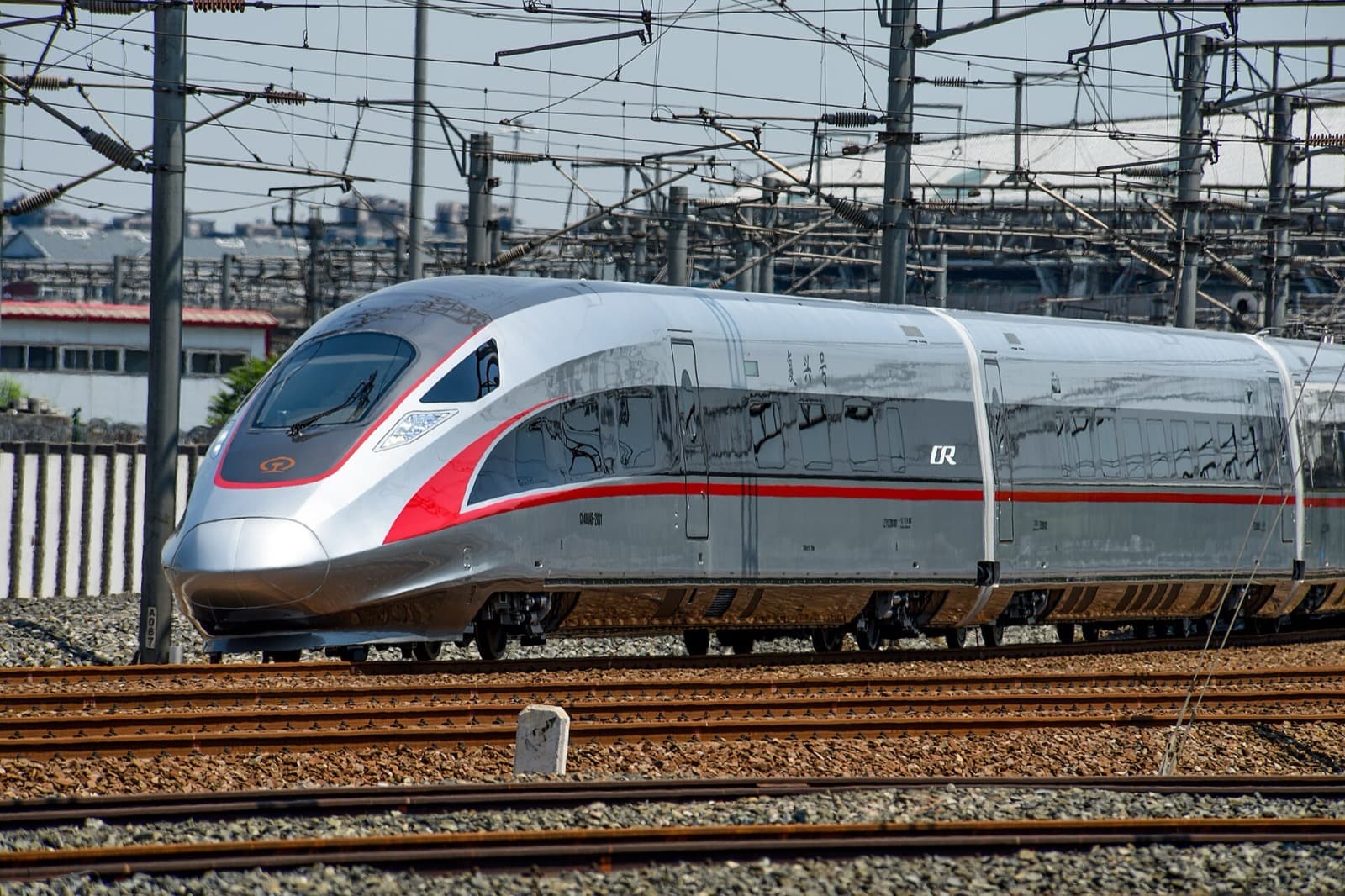
阅读攻略China’s high-speed rail (HSR) network is the world’s largest at over 48,000 km, connecting every major city with trains running up to 350 km/h. Buying tickets is easy with your passport via the official 12306 app, and you can book up to 14 days in advance. For most routes, HSR beats flying: it’s city-centre to city-centre, punctual, and free of long airport security lines.
阅读攻略Most foreign tourists need a visa for China, but there are now two fast alternatives: 240-hour visa-free transit if you fly onward to a third country, and unilateral visa-free entry for citizens of a growing list of countries. Rules and country lists change often, so confirm your exact case with the Chinese embassy or consulate before booking. Bring a passport valid for six months, a return ticket, hotel bookings and your itinerary; fingerprints and an arrival card are standard at the border.
阅读攻略包括美国,英国,加拿大,澳大利亚和欧盟大部分国家在内的57个国家的公民在从一个国家飞往第三国时,可以不经签证过境中国最长240小时(10天).您必须经由65个批准的港口之一进出指定区域。抵达时在专用柜台申请——无预申请.
阅读攻略Most tourists who need a visa apply for the L visa: an online form on the COVA portal, an appointment at a Chinese visa application centre, and a decision in 4–7 working days. It costs about $60–140 depending on nationality plus service fees, and allows a 30-day stay. Apply 4–8 weeks before departure — never less than three.
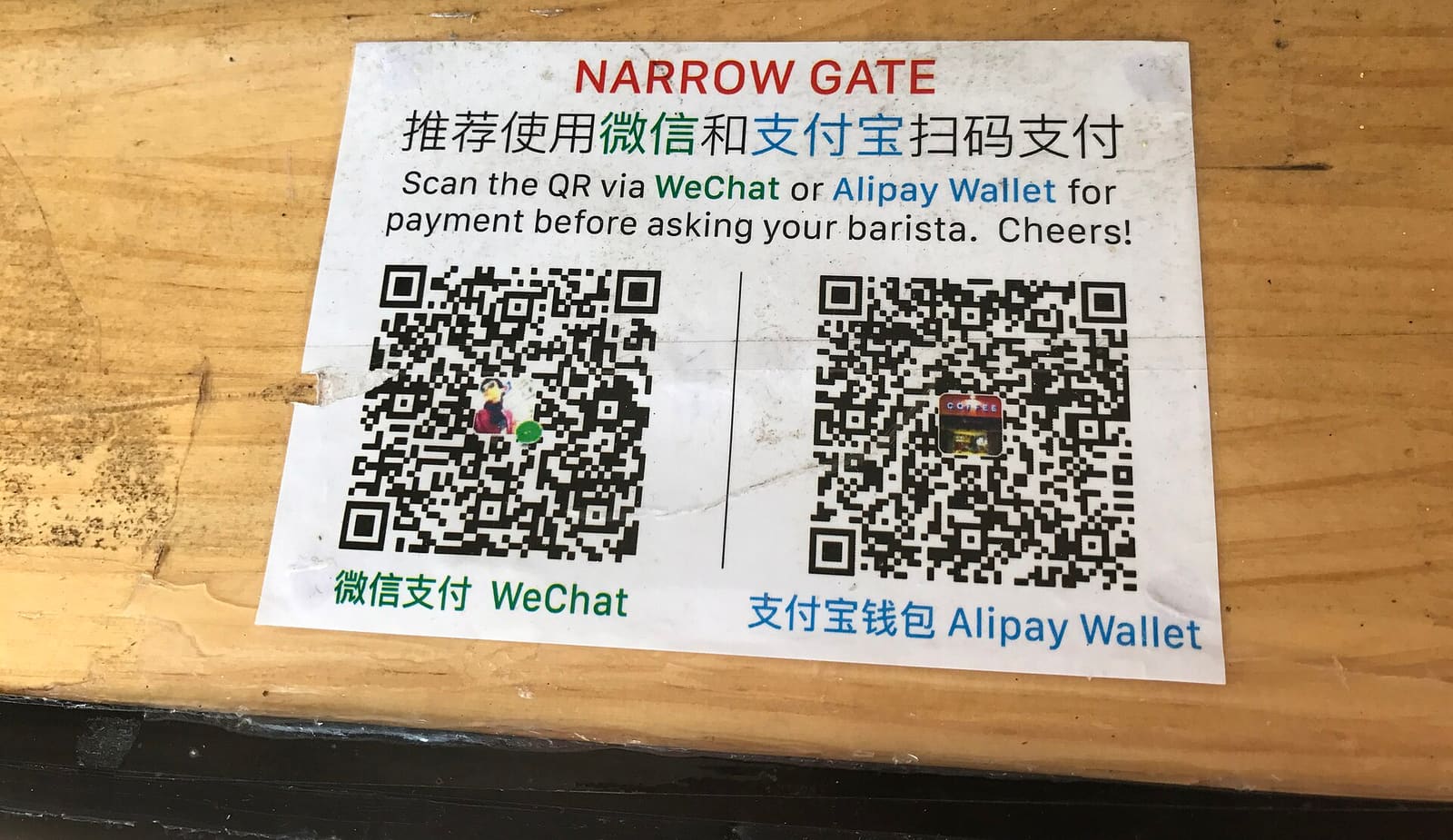
阅读攻略Mobile payments rule in China. Set up Alipay or WeChat Pay and link your foreign Visa or Mastercard before you arrive—it takes about 10 minutes. Carry some cash for markets, temples and small stalls, and remember that Google, WhatsApp, Instagram and Facebook do not work on the mainland. The simplest fix for internet is an international roaming eSIM from your home carrier: it works the moment you land.
阅读攻略China is close to cashless: Alipay and WeChat Pay handle more than 90% of everyday payments, and both accept foreign Visa and Mastercard once you link the card inside the app. Set up both before you fly, keep ¥500–1,000 in cash as a fallback, and expect to scan a QR code rather than hand over a card.
阅读攻略飞机起飞前安装两者,但让Alipay你的主要钱包:它更可靠地接受外国签证和Mastercard,拥有完整的英语接口,并覆盖了从地铁门到街道摊位的几乎所有游客付费.保留 WeChat Pay作为少数只显示WeChat QR代码的商店的备份.
阅读攻略没有——中国预计不会小费.餐饮,出租车,酒店和酒吧不增加服务费,将硬币留在桌上会造成混乱.外国经营的旅馆、私人导游和司机除外,他们赞赏每天50-100日的导游费和20-50日的司机费,但从未要求。
阅读攻略A local China Unicom or China Mobile SIM gives you the cheapest data (about ¥100–150 for 30 days with 30–50 GB) but requires passport registration at an airport or city counter. A travel eSIM bought before you fly costs $15–30 for 10–20 GB, activates on landing and keeps your home number active — the simplest option for a one- or two-week trip.
阅读攻略For a trip of two weeks or less, buy a travel eSIM before you fly: it activates on landing, costs roughly $15–30 for 10–20 GB and keeps your home number free for bank codes. Choose a local SIM only if you need a Chinese phone number — it is cheaper per gigabyte but requires passport registration and a queue at the airport.
阅读攻略Google,WhatsApp,Instagram,Facebook,X和大多数西方新闻网站都被中国网络封锁,所以是的——你需要一个VPN,或者一个传送数据到国外的旅行eSIM.飞前安装并测试VPN:中国国内的应用商店不列出VPN,在家工作的下载在到达时经常失败.
阅读攻略China is mid-range, not cheap and not expensive: a comfortable independent traveller spends $90–150 per day, a budget traveller $45–70, and a private guided tour $250–400 per person per day. Accommodation and high-speed trains are the big variables — a 4-star hotel runs $70–110 and a Beijing–Shanghai bullet train $80–120.
阅读攻略Plan on about $45–70 a day per person in western and secondary cities, $65–100 in Beijing and Shanghai, and two to three times that for comfortable hotels and private transport. These figures cover a bed, three meals, city transport and entry tickets; they exclude intercity flights and rail, which add $40–120 per move.
阅读攻略For your first trip to China, plan 8–12 days across 2–3 cities, and depart in April–May or September–October. A mid-range small-group tour costs about US$200–350 per person per day, excluding international flights.
阅读攻略12306上书,中国铁路官方网站及应用,现设有英文界面,接受国际签证和万事达卡.车票在出发前15天开张,并在流行路线上快速售出,所以第一天就订票.带上护照——这是你的票,你到大门去扫描,而不是纸根。
阅读攻略Under about 1,200 km, take the train: once you count check-in, security, boarding and the trip to an out-of-town airport, rail is usually faster door to door and far more punctual. Fly only on long routes such as Beijing to Urumqi or Shanghai to Lhasa, anything above roughly 1,500 km, or when no line connects the two cities.
阅读攻略Domestic flights make sense when the train takes more than six hours — for example Shanghai–Chengdu, Beijing–Kunming or anywhere in Xinjiang. Fares run $60–150 for two-hour routes and are cheapest three to six weeks out. Book with the airline app or Trip.com, arrive 90 minutes early, and expect strict 20 kg checked baggage limits on discounted fares.
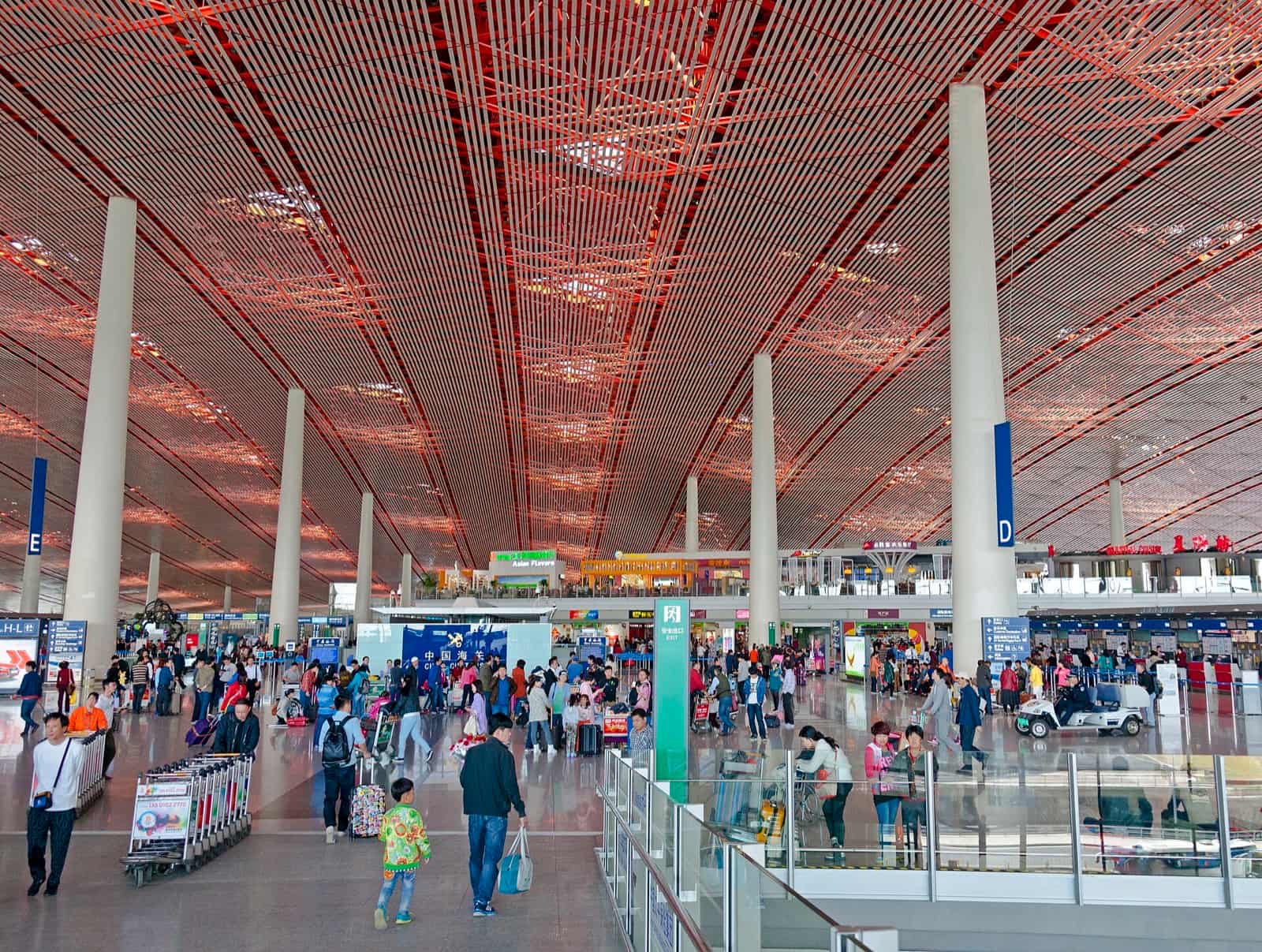
阅读攻略中国各大机场均由地铁连接,这通常是最好的选择:北京首都至市区的机场快线费用为25日元,上海浦东7日元,2号线有转乘,广州白云7日元~10日元.出租车花费120-250英镑,需要40-70分钟。忽略接近终端内部的驾驶员——使用官阶.
阅读攻略Chinese metros are cheap (¥3–7 per ride), signposted in English, and the fastest way across big cities. Pay by scanning a QR code in Alipay or WeChat — no ticket needed — or buy a single-journey token from the machines. Trains run 05:30–23:00, security scans bags at every entrance, and eating or drinking on board is banned.
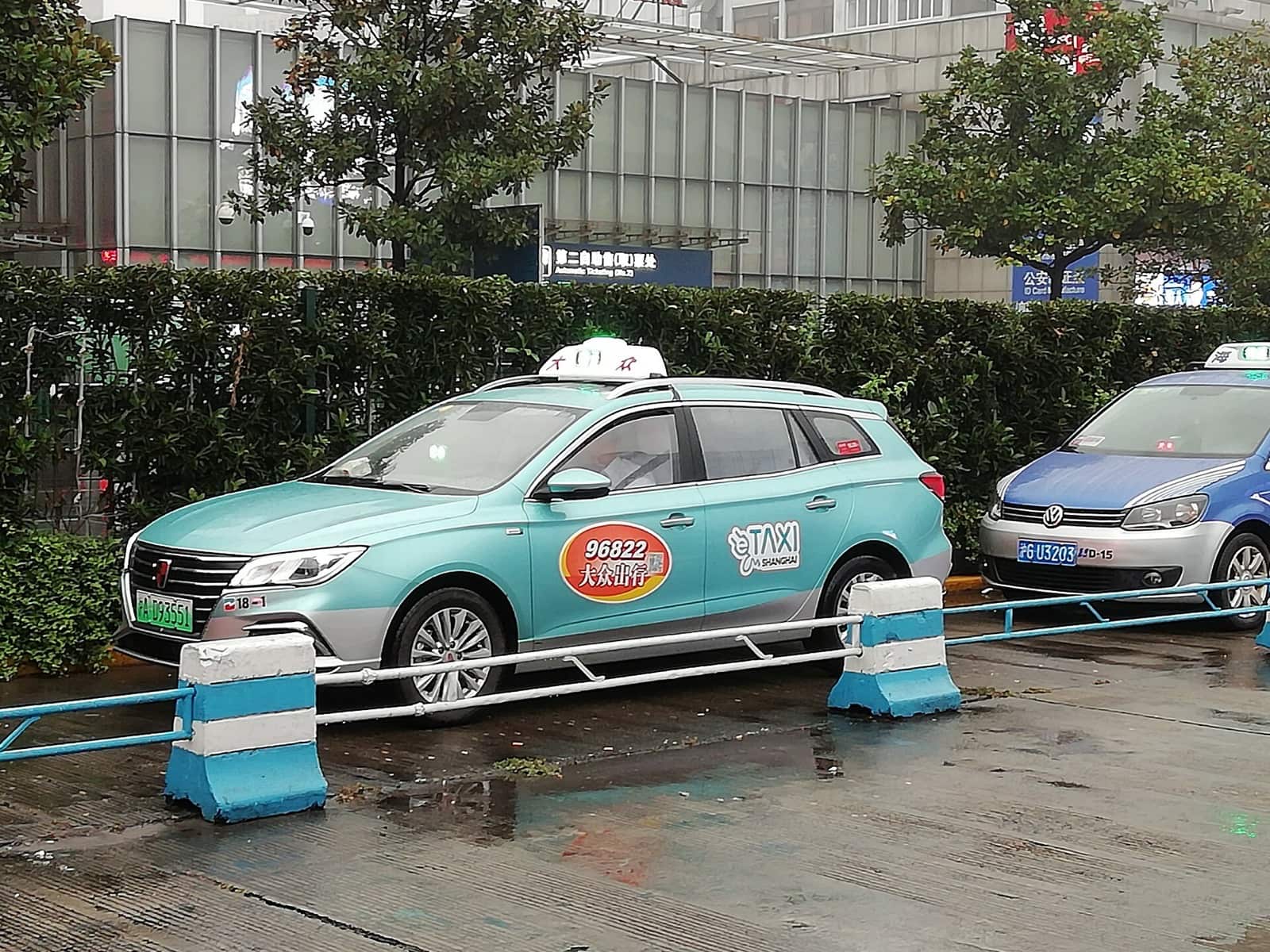
阅读攻略中国的出租车起步为10–14日, 且是中间点,但语言障碍让骑车更方便: DiDi有英文界面,法尔比欧洲便宜30-50%—— 15分钟的城市乘车成本为25–40日元.始终坚持计数,避免司机在旅游出口等候.
阅读攻略Expect three steps on landing: a health declaration (now a quick QR form), immigration with fingerprints and an arrival card, then customs. Immigration takes 10–40 minutes depending on the queue; baggage and customs another 20–30. You can bring $5,000 in cash and 1.5 litres of alcohol duty-free; drones, satellite phones and certain medications need declaring.
阅读攻略外国客人必须在抵达后24小时内向当地警察登记。酒店在办理入住手续时自动为您办理;若您住在私人公寓或朋友家中,必须在24小时内亲自到最近的警察局登记(农村地区48个)。把你的护照带到所有登机记录上 副本不被接受
阅读攻略China has no reciprocal public healthcare for visitors, and hospitals ask for payment before treatment, so insurance matters more here than in Europe. A two-week policy with $100,000 medical cover costs $35–70; add evacuation cover if you plan to trek or travel to Tibet. Check that hiking above 3,500 m and pre-existing conditions are included.
阅读攻略中国是一个犯罪率低的国家,大多数旅行没有发生意外。游客遇到的问题是商业的:拒绝计时器的出租车、装扮成观光的购物旅行、在景点大门的“免费”导游和四位数的酒吧邀请。三种习惯阻止了几乎所有的:先同意价格,只从官方柜台购买票,用app支付,因此存在记录。
阅读攻略Spring is one of the two best seasons to visit China: 12–24°C in most cities, blossoms from late March, and long daylight. March is quiet and cheap, April is the sweet spot, and early May fills up for the Labour Day holiday (May 1–5). Book trains and hotels two to three weeks ahead for April.
阅读攻略Summer in China means 30–38°C and high humidity in the big cities, so plan around altitude and latitude: Yunnan, Guizhou, Qinghai, Tibet and Harbin stay at 18–26°C, while Beijing, Shanghai and Xi’an are genuinely hot. July and August are domestic school holidays, so book three to four weeks ahead and sightsee before 09:00.
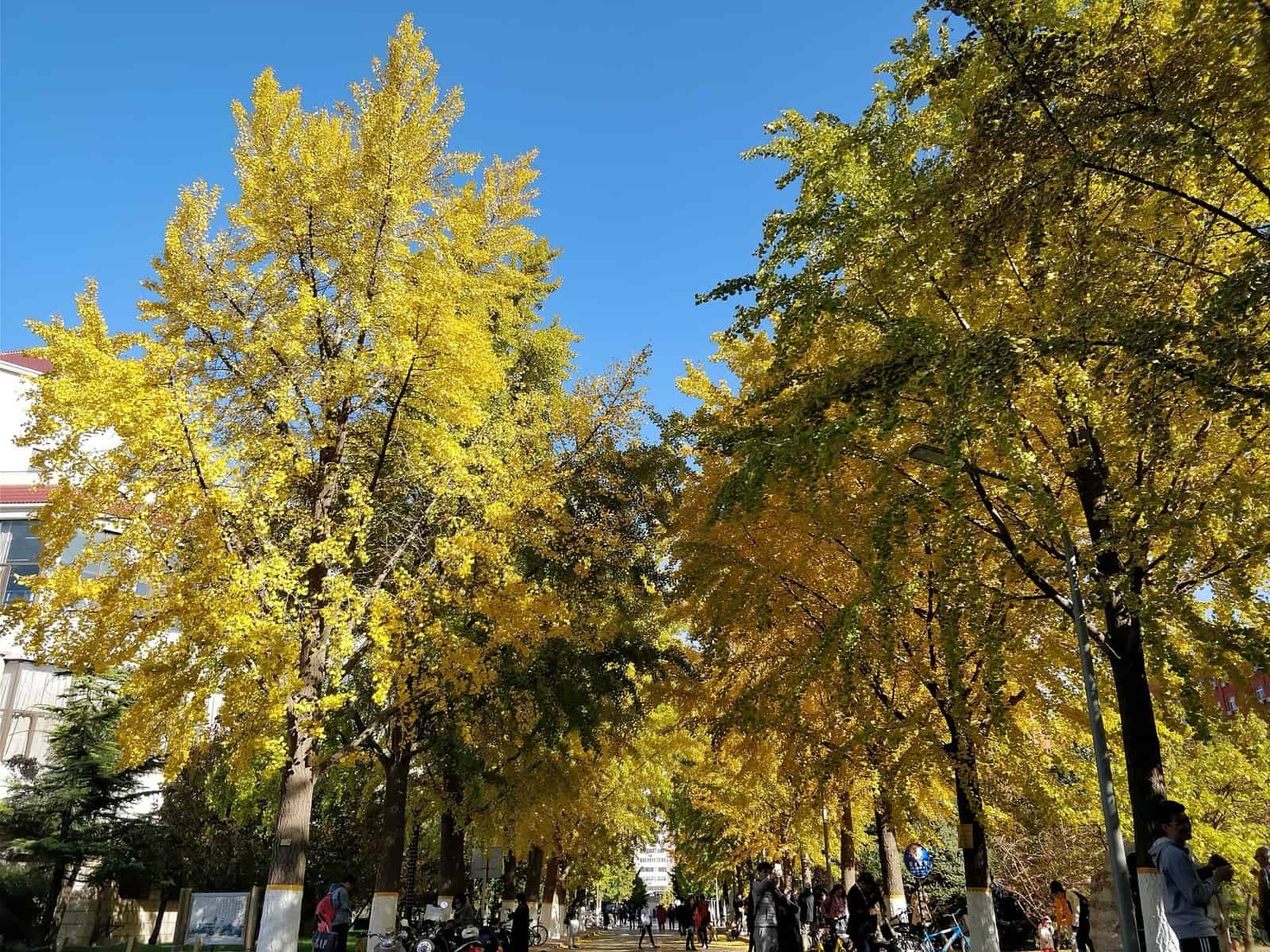
阅读攻略Autumn is the best season to visit China: 15–25°C, low humidity, clear skies and autumn colour from late September. Avoid the National Day week (October 1–7), when domestic visitor numbers triple. Late September and the whole of October are ideal; November is quieter and cheaper, with the best light of the year.
阅读攻略Winter splits China in two: Harbin runs at −18°C with the world’s largest ice festival from late December to late February, while Sanya and Xiamen stay at 20–26°C. Beijing is cold but dry and almost empty of tourists, which makes it one of the best times to see the Great Wall. Pack for −20°C in the northeast and layers for heated interiors.
阅读攻略中国新年是一年中最糟糕的周,在华为各地流动,也是最有趣的周,在一个地方活动.火车和航班提前数周售出,价格翻了一番,许多小餐馆也关闭.北京、西安或成都的庙会、灯笼和烟花,
阅读攻略中国公共假日重塑全程旅行系统.春节和十月黄金周空置办公室,并填满每趟列车,酒店和观景楼;清末,龙舟,中秋等较小的节日主要冲击国内热点.实用规则:避免两峰的首末三天,在销售开放时购买铁路票.
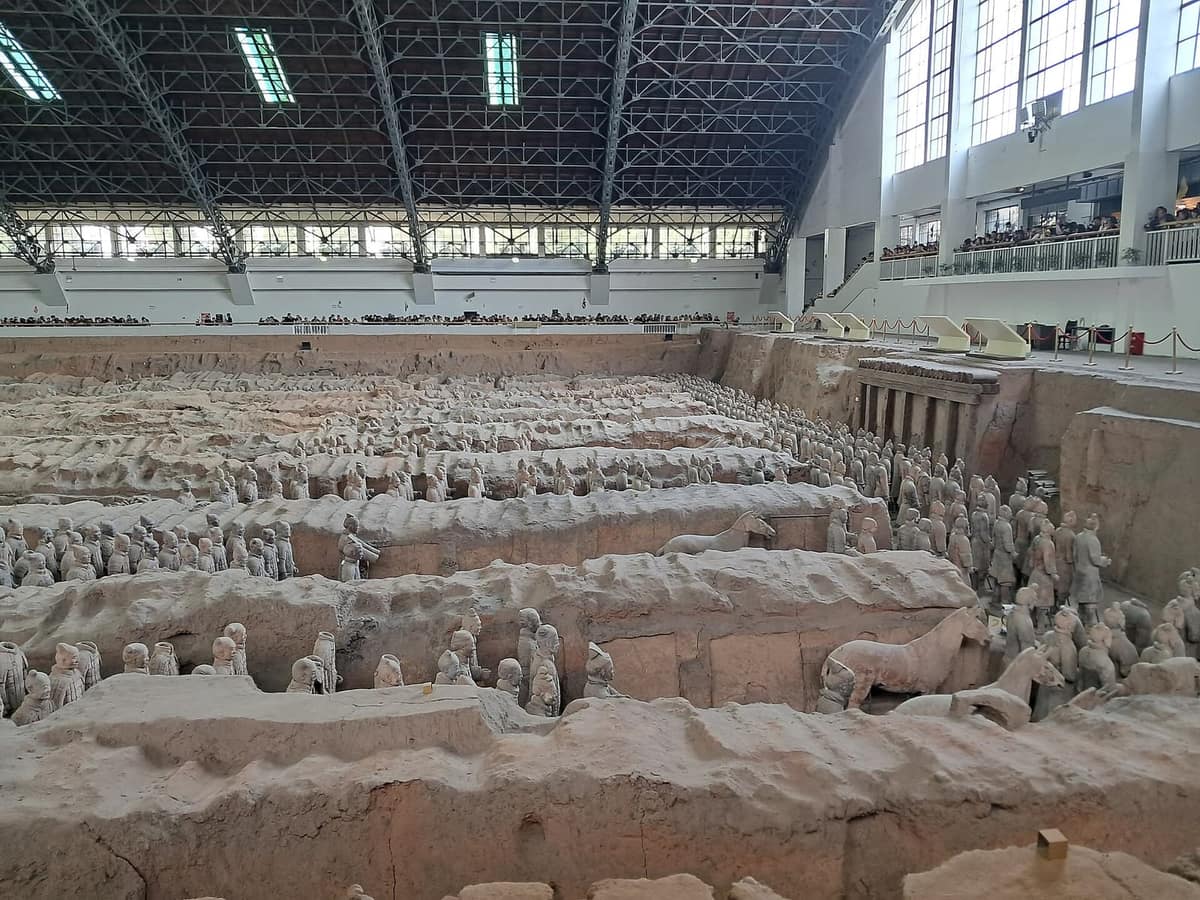
阅读攻略Seven days works best as two cities, not four: four nights in Beijing, three in Xi’an, joined by a 4.5–5.5 hour train, and no Shanghai. Budget $1,500–2,600 per person for hotels, trains, guides and food. It suits first-timers who would rather see the Forbidden City and the Terracotta Army properly than five cities from a coach window, and is not for anyone chasing nightlife.
阅读攻略Ten days buys a third city: four nights in Beijing, three in Xi’an and three in Chengdu, on one west-bound rail line with no internal flights, for $2,000–3,200 per person. It suits travellers who want the Great Wall, the Terracotta Army and pandas without living on trains, and it does not fit anyone set on Shanghai, which sits far to the east.
阅读攻略Two weeks lets you cross the country once without repeating a leg: Beijing 4 nights, Xi’an 2, Chengdu 3, Yangshuo 2 and Shanghai 2, for $3,000–4,800 per person. It suits travellers who want range — imperial capital, terracotta army, pandas, karst rivers, skyline — and not anyone who wants Tibet or Xinjiang bolted on; both need a permit, a guide and a week of their own.
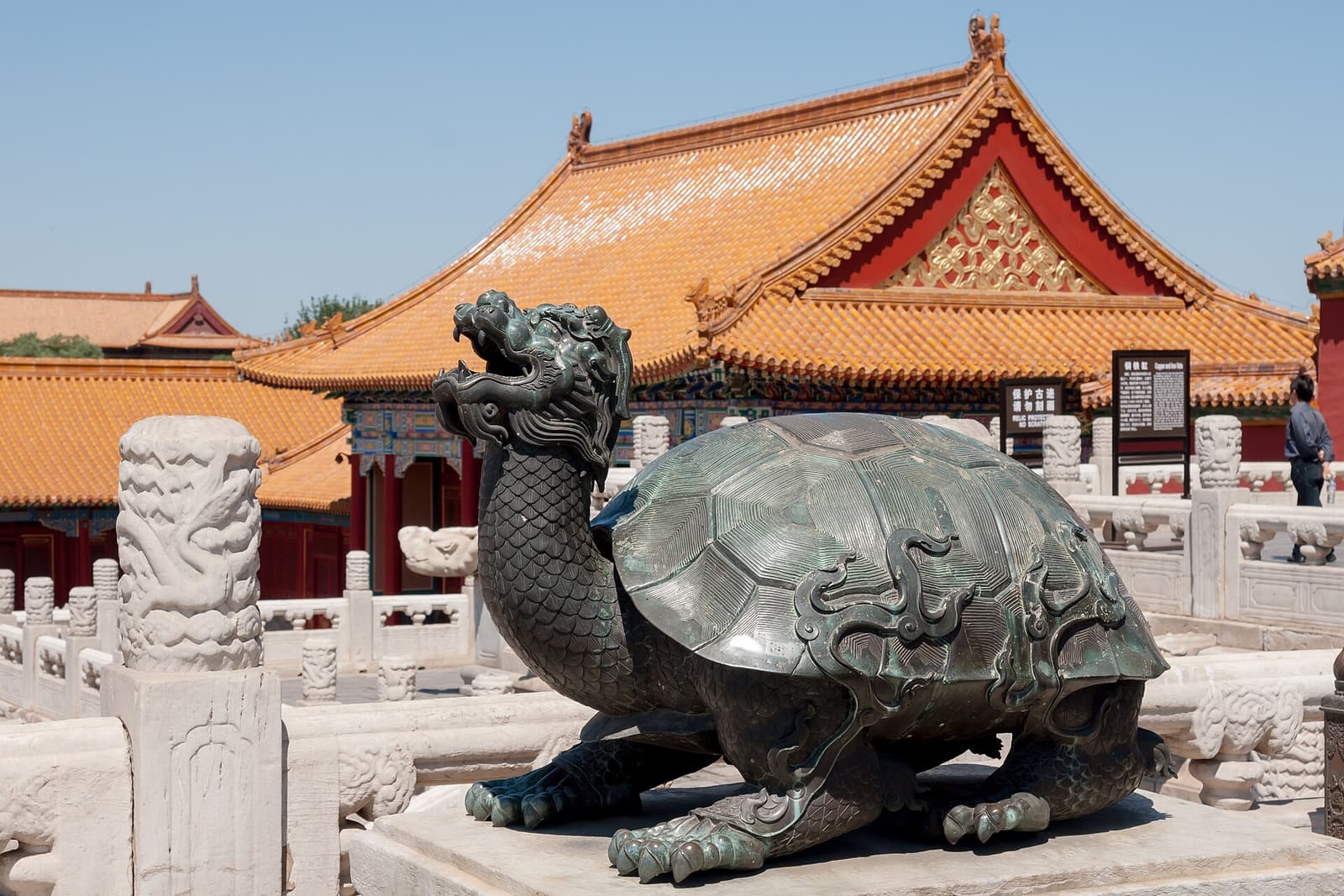
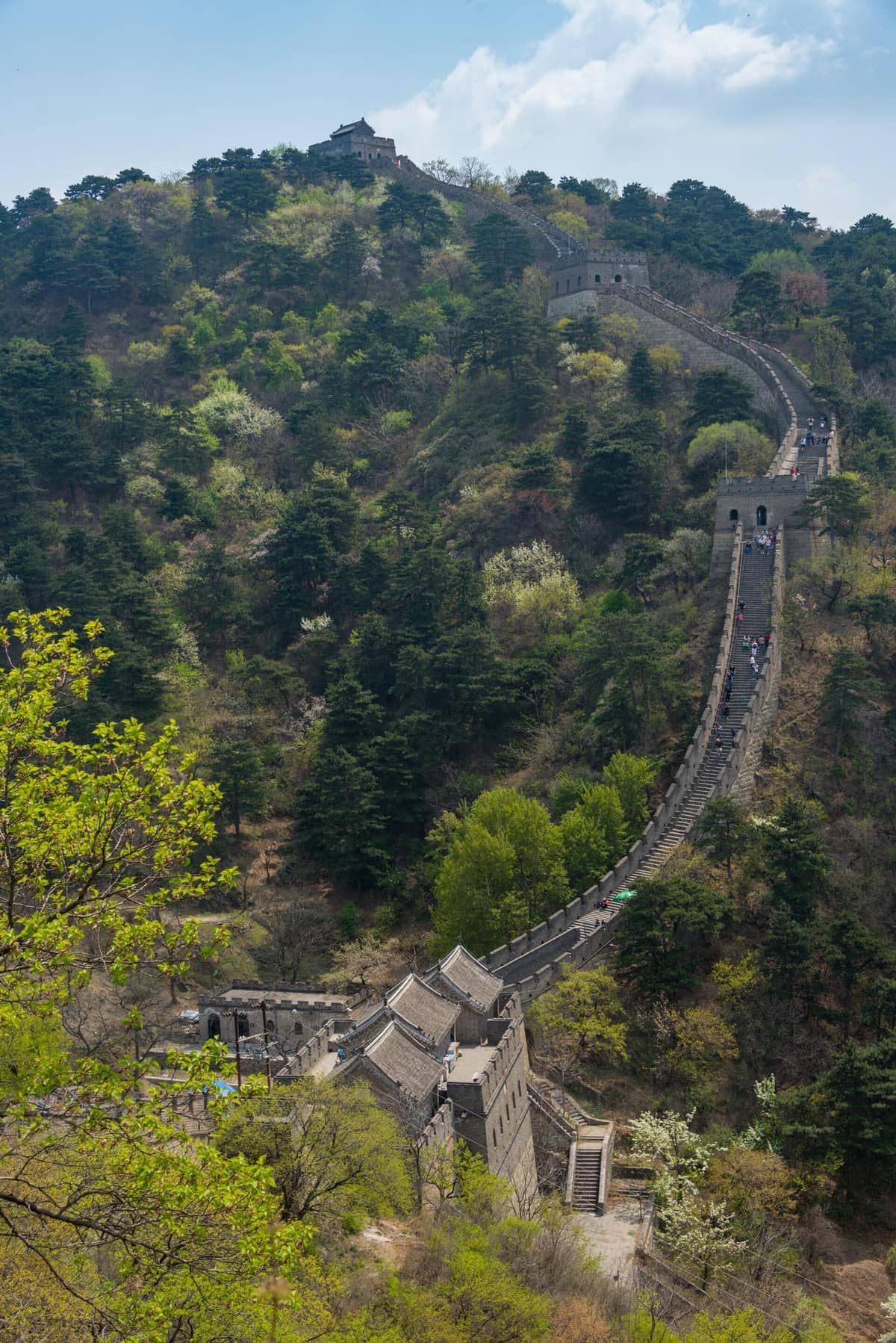
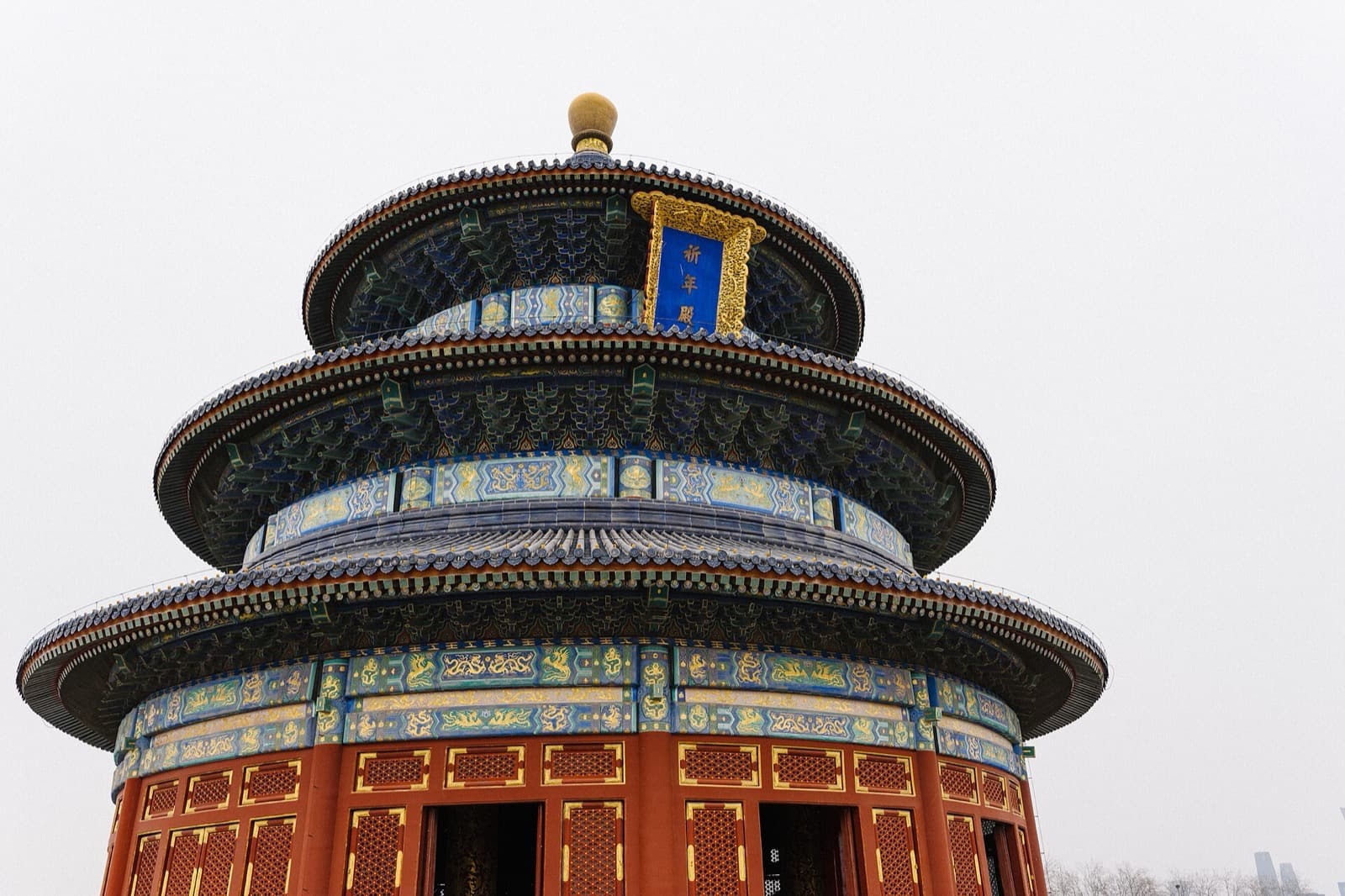
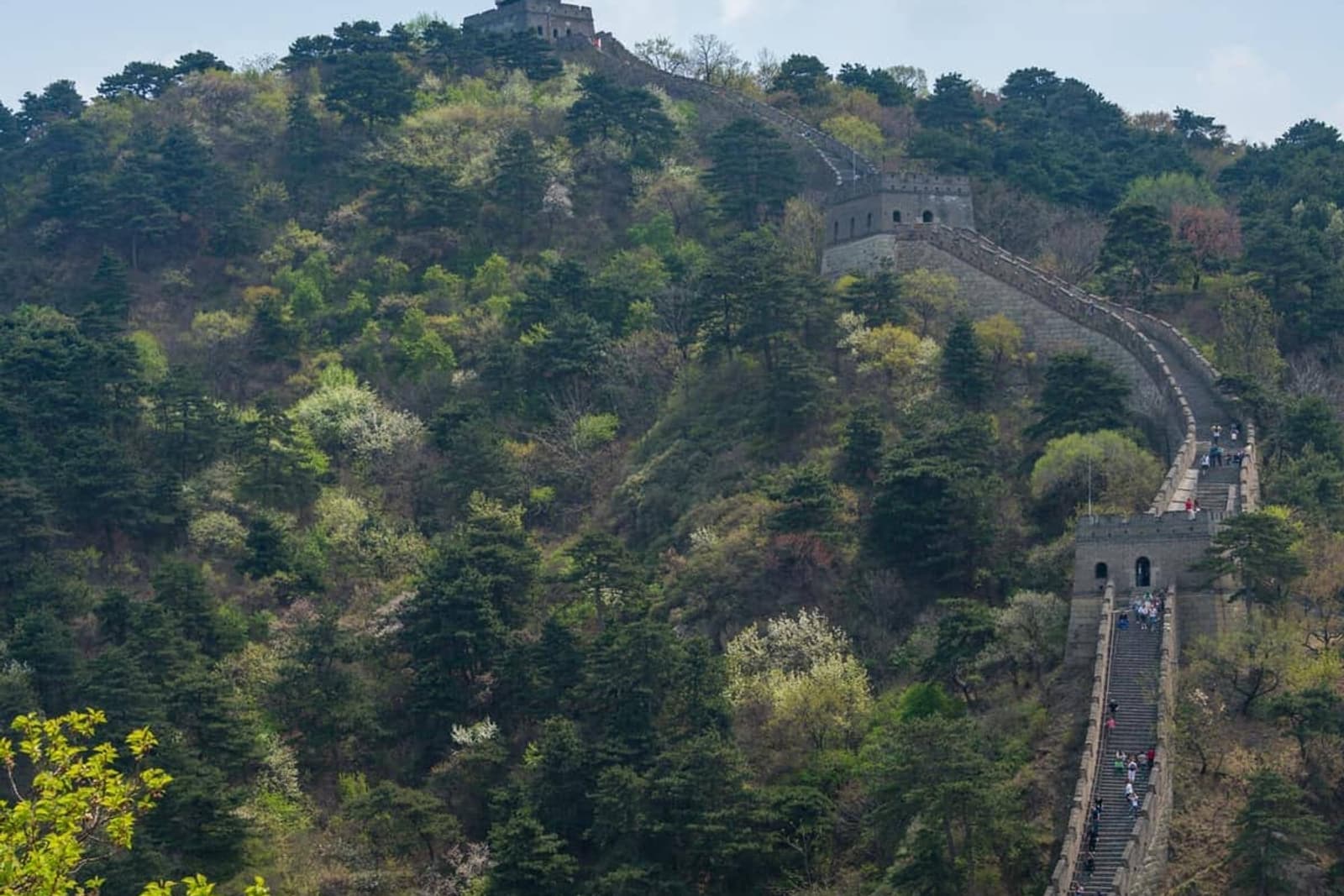
阅读攻略Three days is enough for Beijing’s essentials if you book the Forbidden City in advance and keep each day to one big sight. Day 1: Tiananmen Square, the Forbidden City and Jingshan Park. Day 2: the Mutianyu Great Wall, quieter than Badaling. Day 3: the Temple of Heaven plus the hutongs around Shichahai or the Summer Palace. The Forbidden City is closed on Mondays and needs a real-name reservation days ahead; spring and autumn are the best seasons.
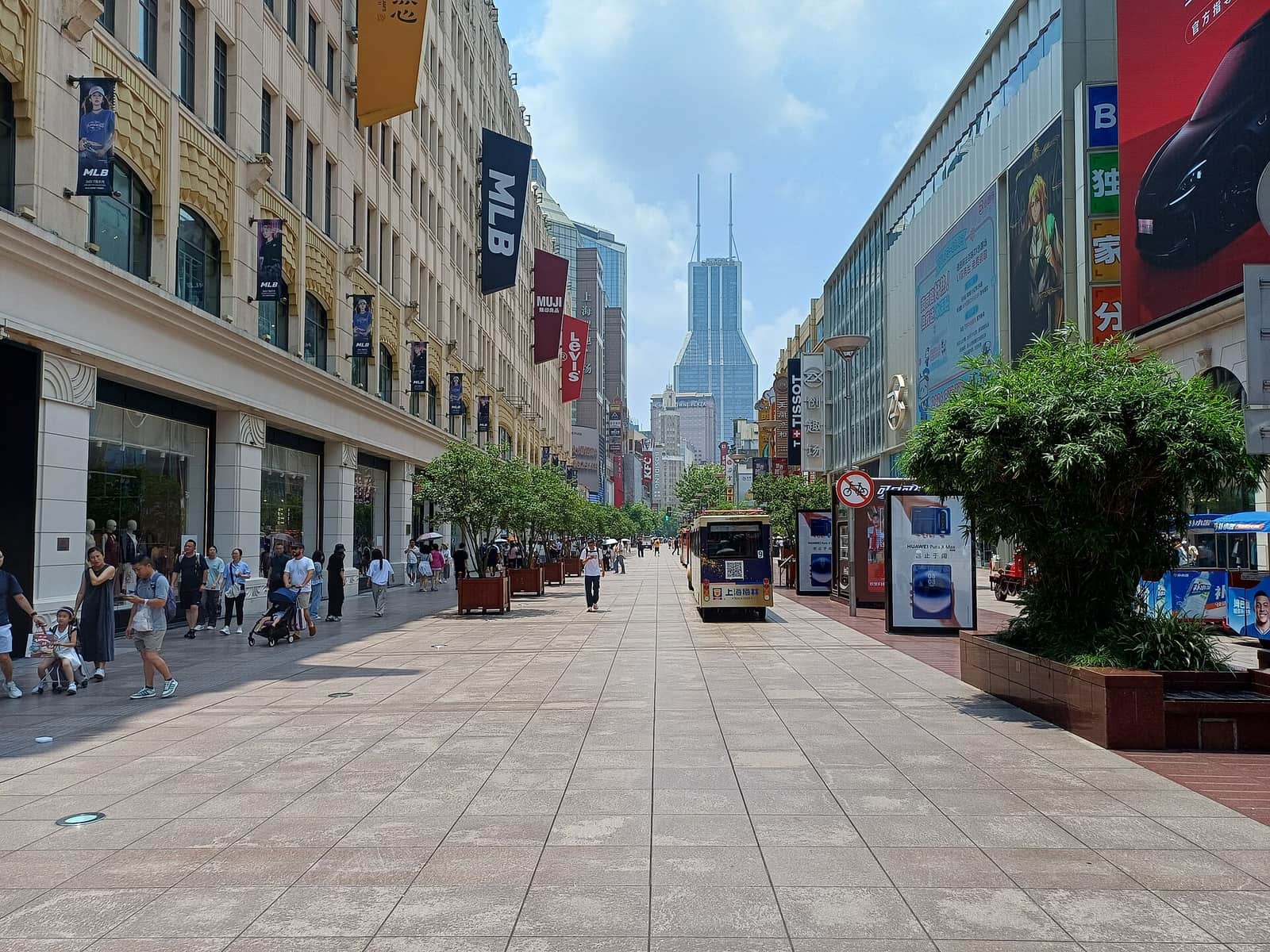
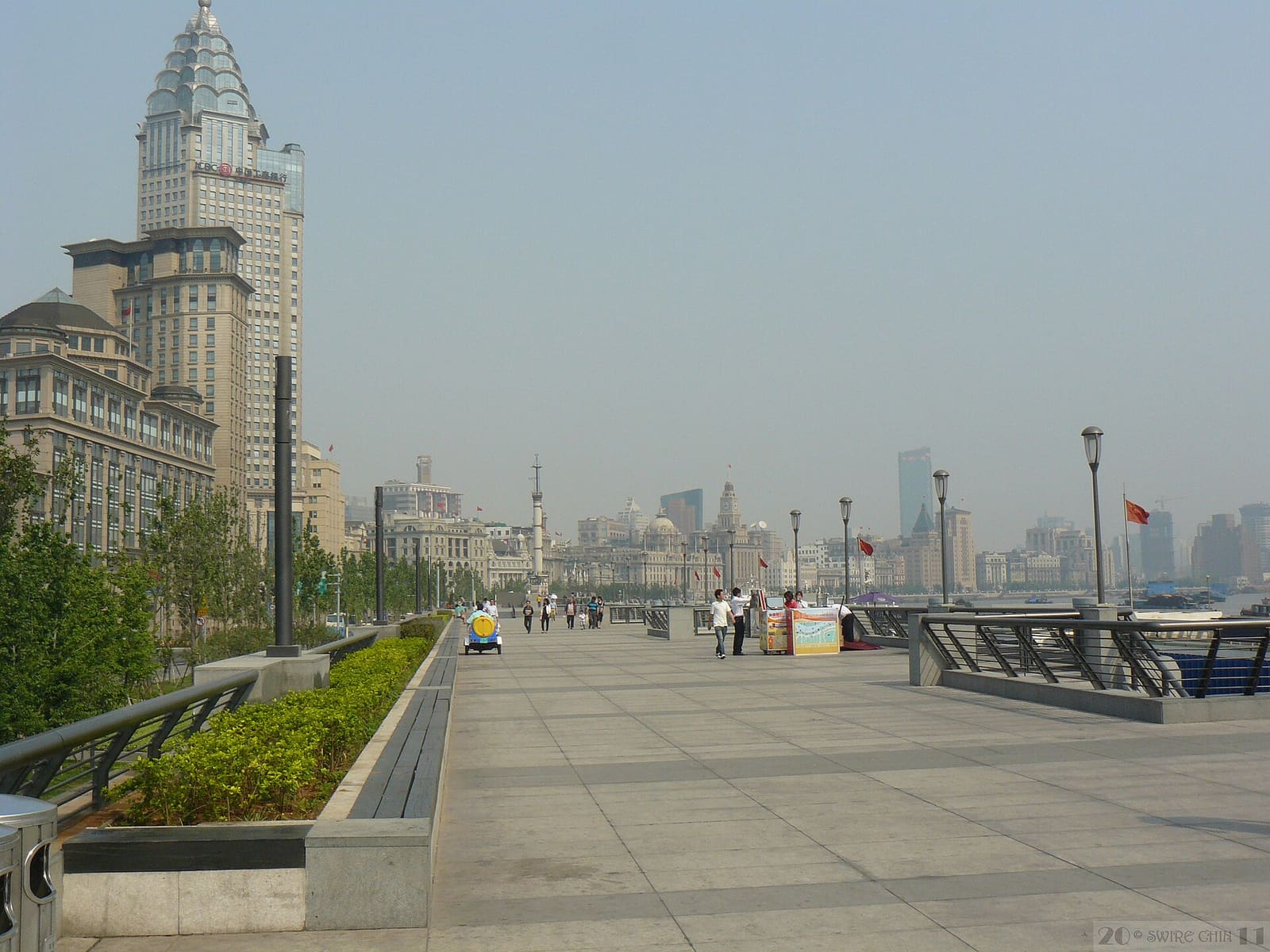
阅读攻略Three days in Shanghai: Day 1 the Bund and Yu Garden, Day 2 the French Concession, Day 3 Lujiazui or Zhujiajiao. Group by riverbank; ride Metro Lines 2 and 10.
阅读攻略如果你有一个星期,从未去过中国,就去北京:紫禁城,长城和胡同的人来送你们要的东西,没有别的城市可以代替他们.选择上海,如果有三四天时间,要用步行的街道和白天去苏州和杭州,或者已经看到帝国风景,更方便一点.
阅读攻略两天时间足以满足西安的基本需要:第一天是城市以东的Terracotta勇士和华清宫,第二天是骑自行车的城墙,陕西历史博物馆和穆斯林聚居区.停留在贝尔塔附近的墙内;机场距离45分钟,高速站30分钟.
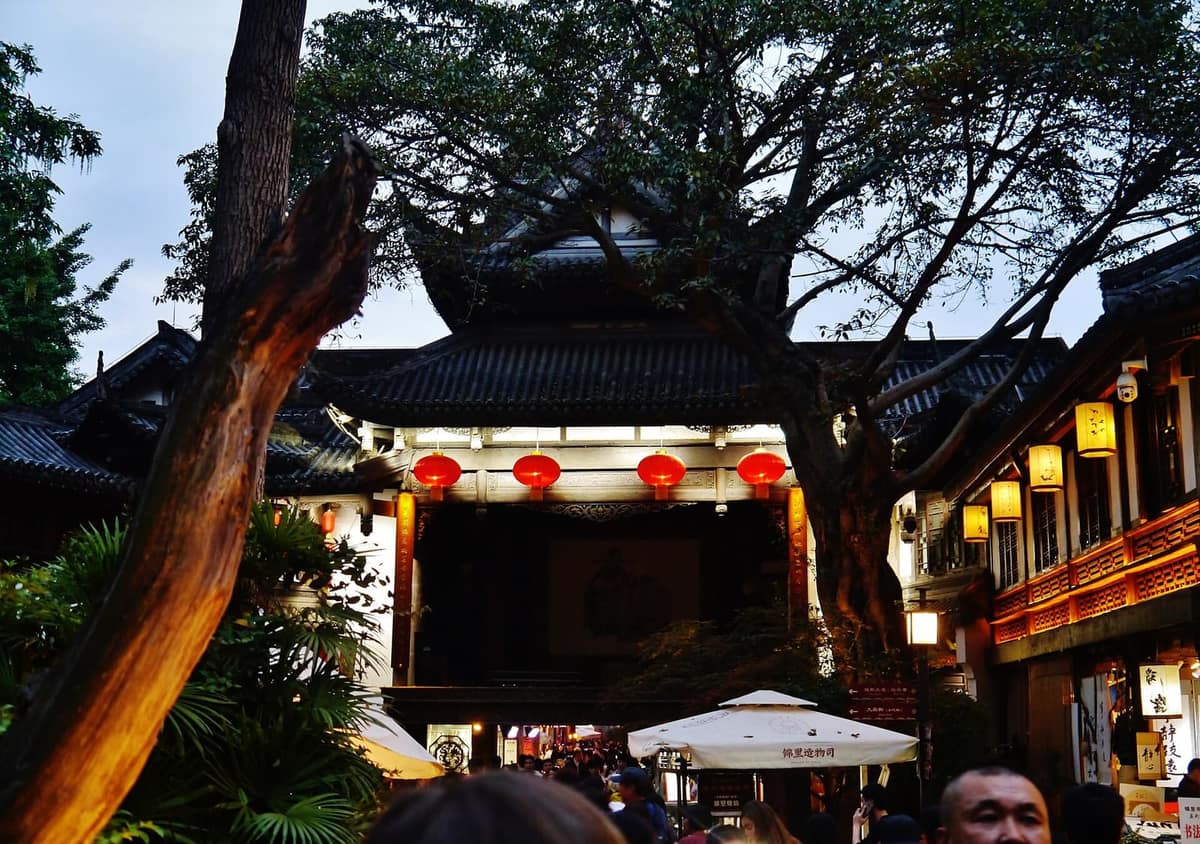
阅读攻略Three days covers Chengdu properly: pandas early on day one, the old city and teahouses on day two, and a day trip to Leshan’s Giant Buddha or Qingcheng Mountain on day three. Go to the Panda Base at 07:30 when the animals are active, book hotpot for dinner, and stay around Chunxi Road or Wide and Narrow Alleys.
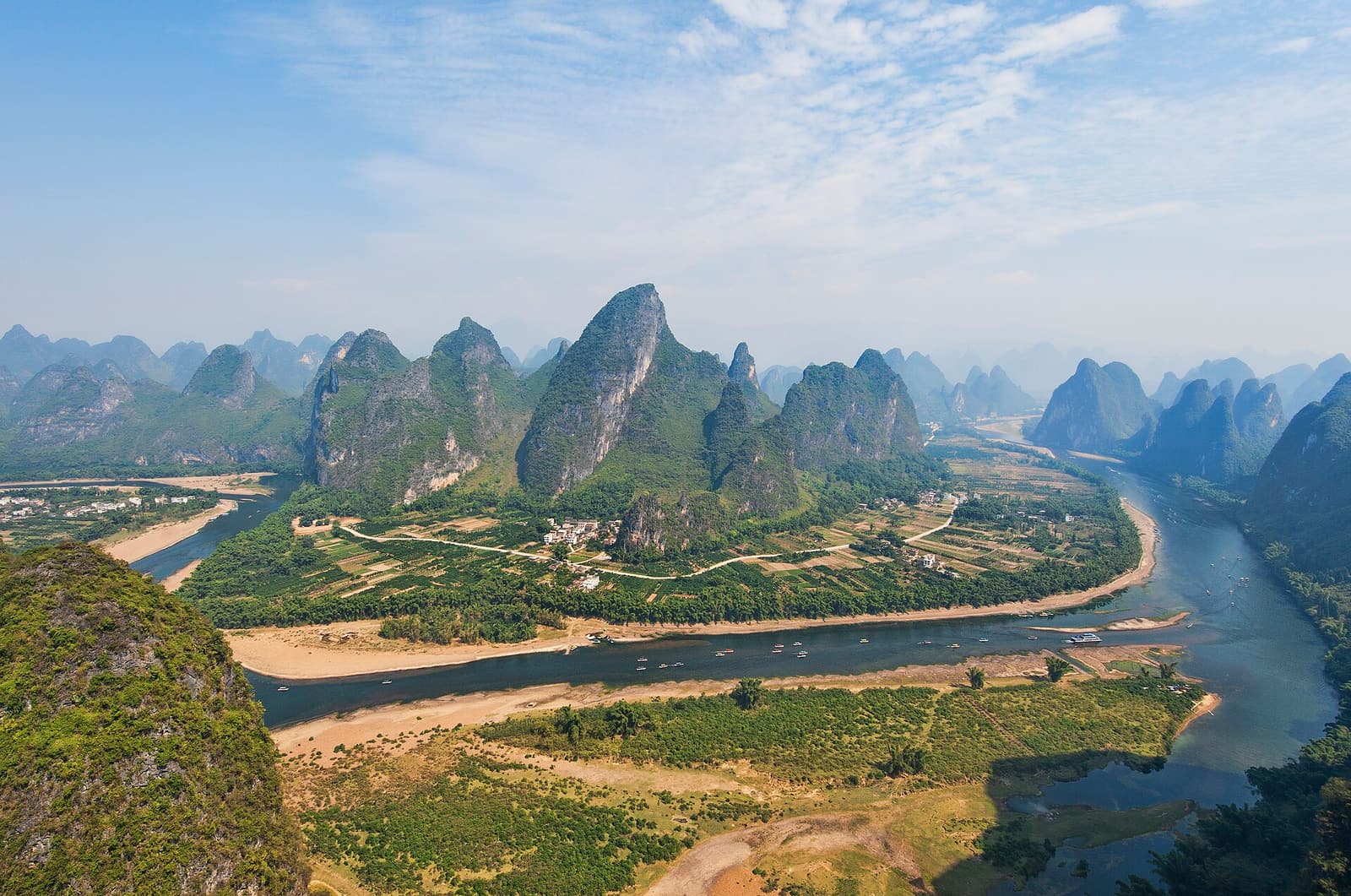
阅读攻略桂林是门户,杨修宇是想住的地方:乘公交90分钟或乘李河巡航4小时.计划三晚——一游日,一骑行和木筏日绕阳朔,为龙岩米田梯田.四月至十月为青色,郁郁;十一月清静.
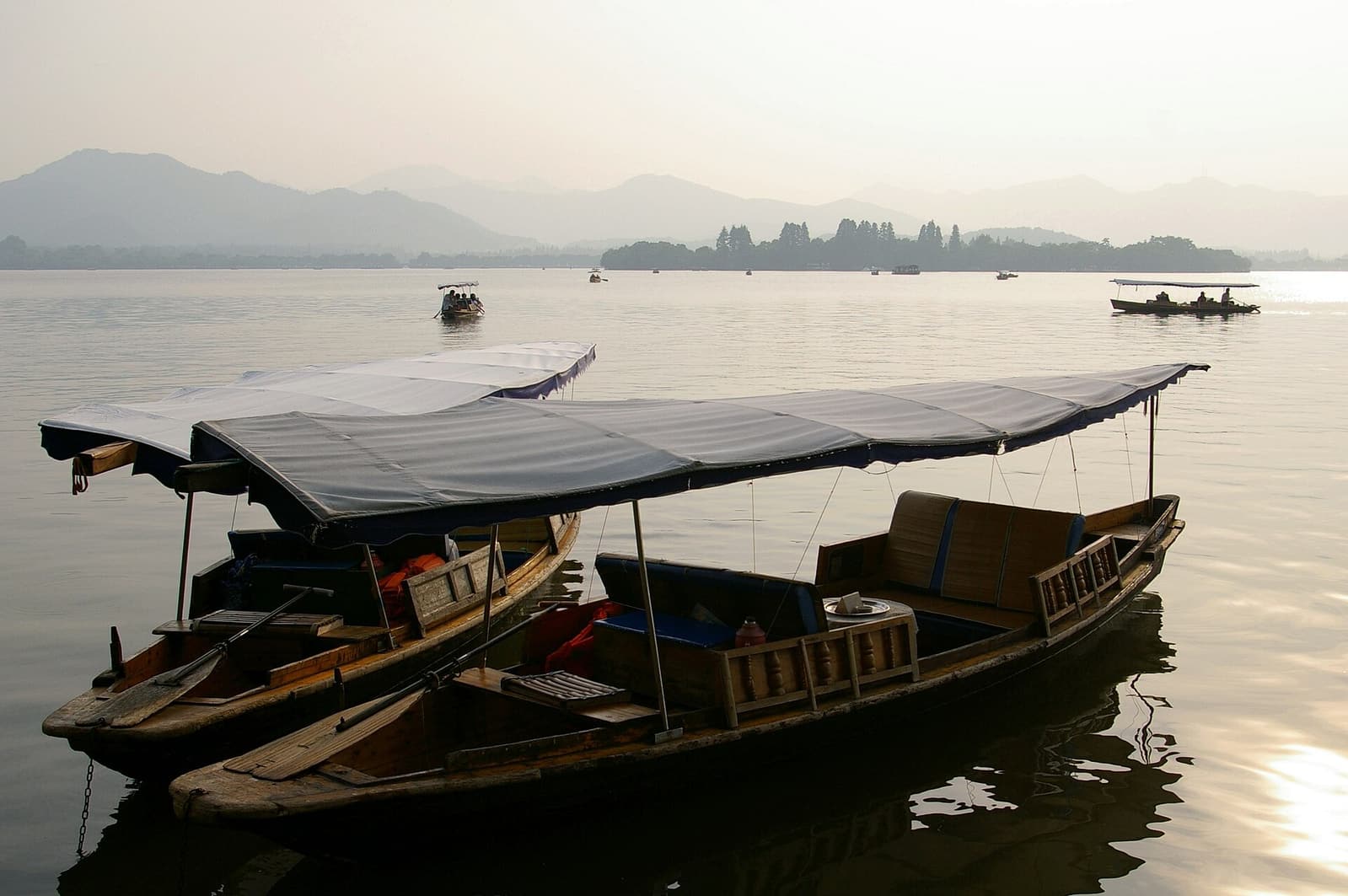
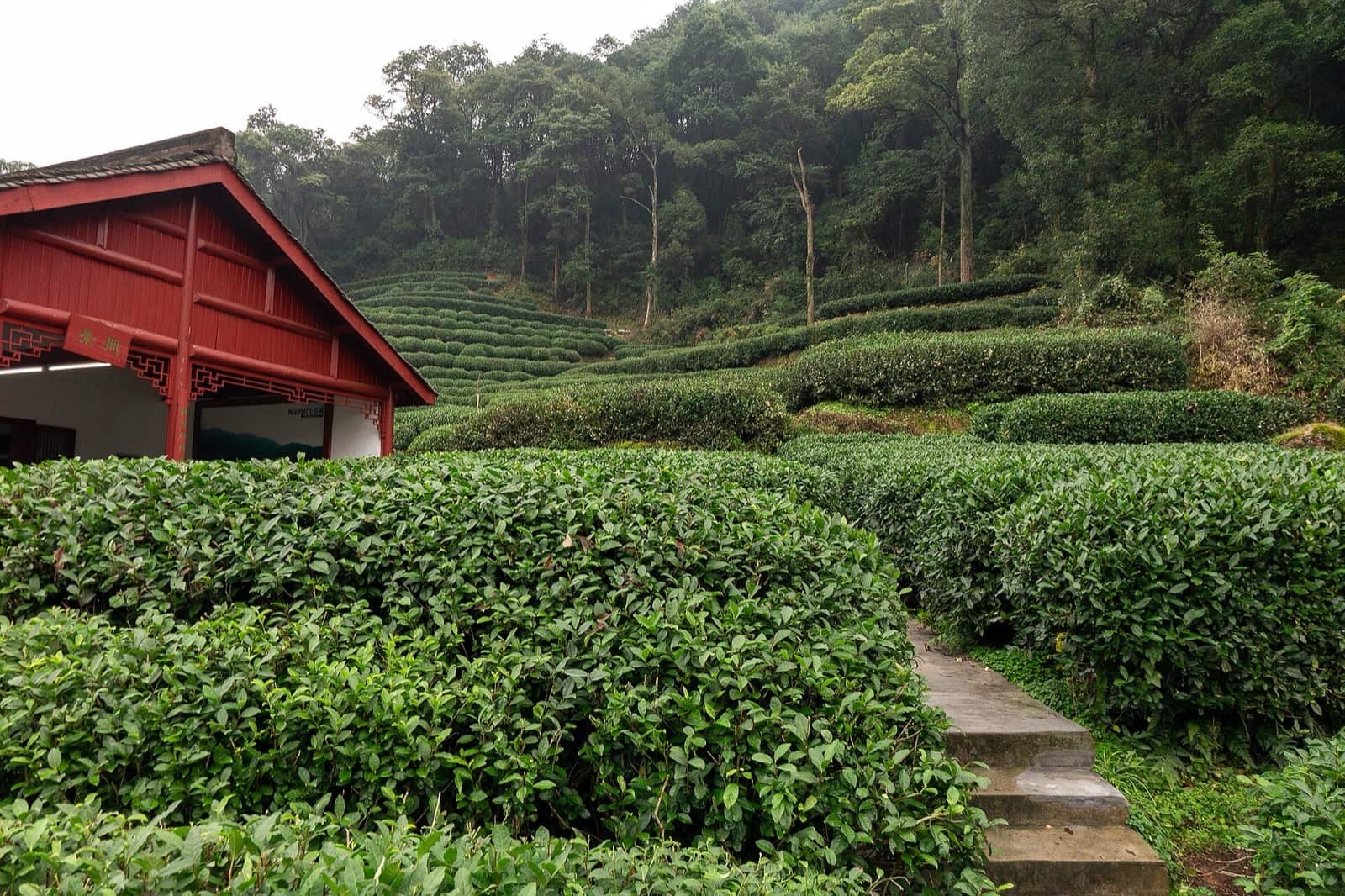
阅读攻略Two days covers Hangzhou’s best: West Lake by bike and boat on day one, the Longjing tea fields and Lingyin Temple on day two, with an optional evening in the water town of Wuzhen. Hangzhou is 45 minutes from Shanghai by high-speed train, making it the easiest two-day add-on to a Shanghai trip.
阅读攻略Three days covers Xiamen properly: day one on Gulangyu island (ferry ¥35 return, book a day ahead in peak season), day two for the Fujian tulou in Yongding or Nanjing county (2.5–3 hours each way, worth an overnight if you have a fourth day), day three for Nanputuo Temple, Hulishan Fortress and the Island Ring Road by bike. Stay in Siming district near Zhongshan Road; the airport is 25 minutes away and the high-speed station 30.
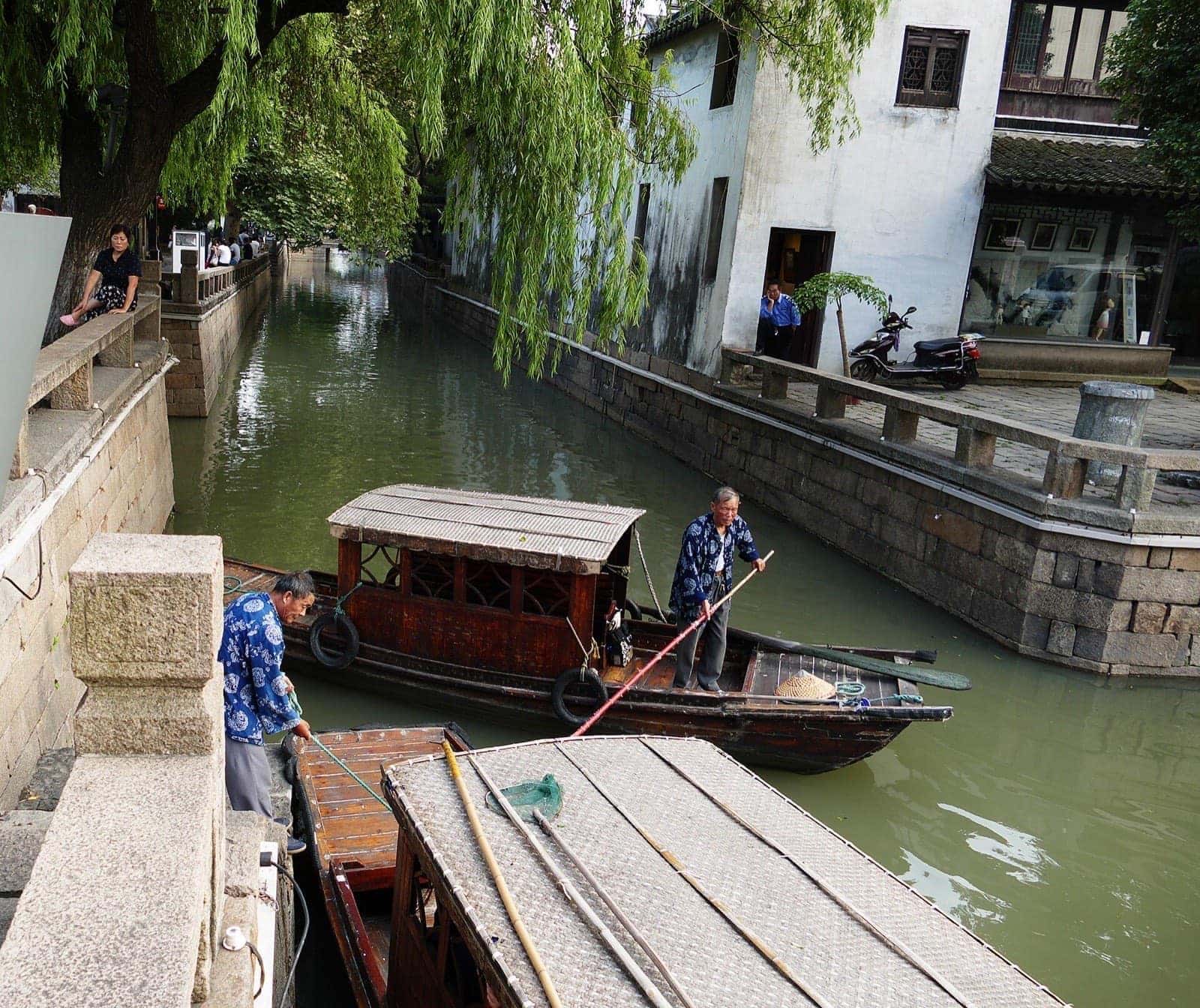
阅读攻略Suzhou is 25 minutes from Shanghai by high-speed train (¥40–60), which makes it the best day trip in the region — and the one most visitors get wrong by trying to see four gardens. See one classical garden properly (Humble Administrator’s ¥70–90 or the quieter Master of the Nets ¥40), the free Suzhou Museum, then Pingjiang Road on foot. With two days, add Tongli or Zhouzhuang water town. Trains run every 10–20 minutes from Hongqiao until about 21:00.
阅读攻略Harbin Ice and Snow World opens around 25 December and runs to late February, with the best sculptures from early January. Expect −18 to −25°C, tickets of ¥330 for the main park and ¥200–300 for the Snow Sculpture Expo. Book hotels two to three months ahead for January, and pack for cold you have probably never experienced.
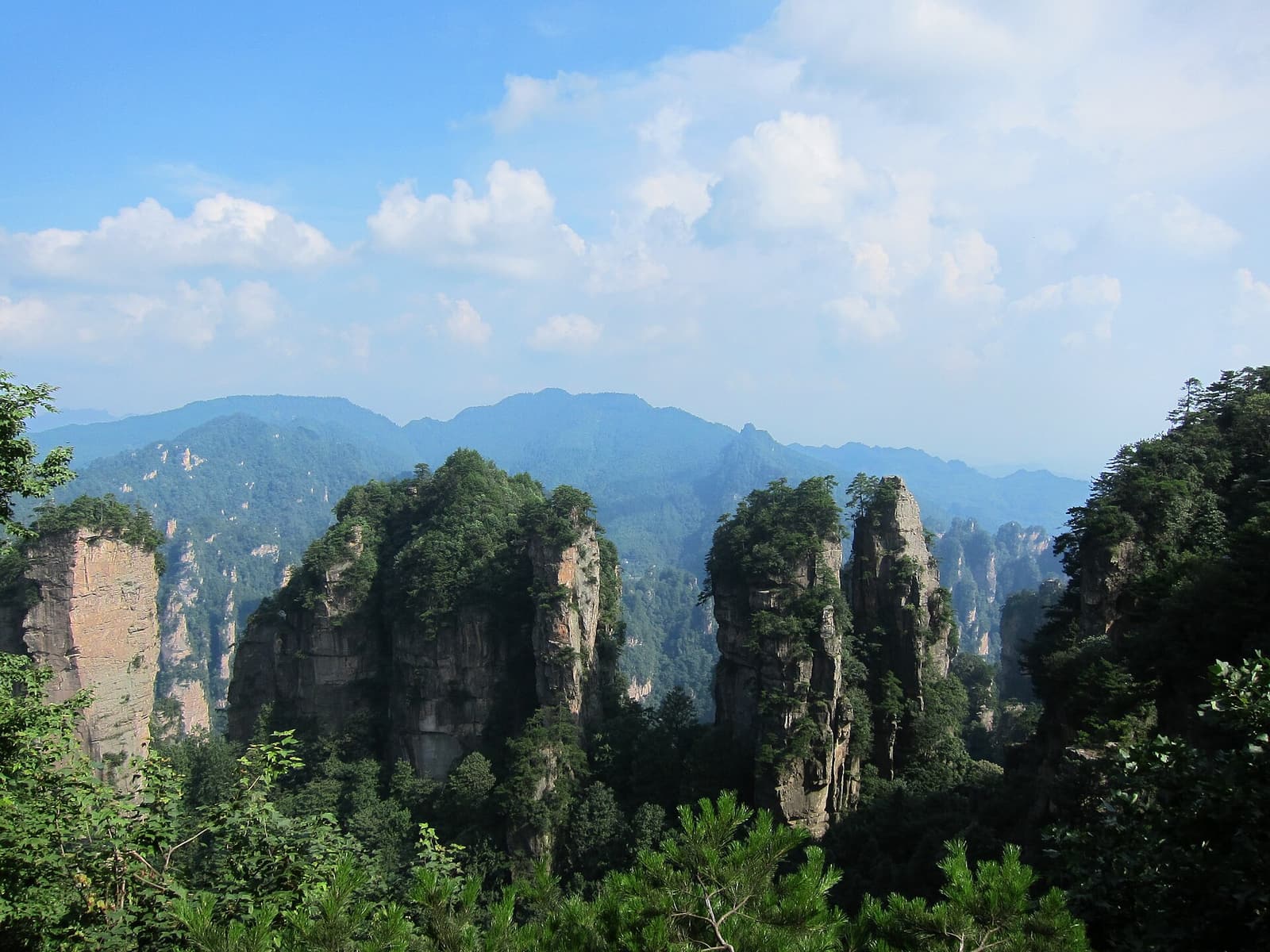
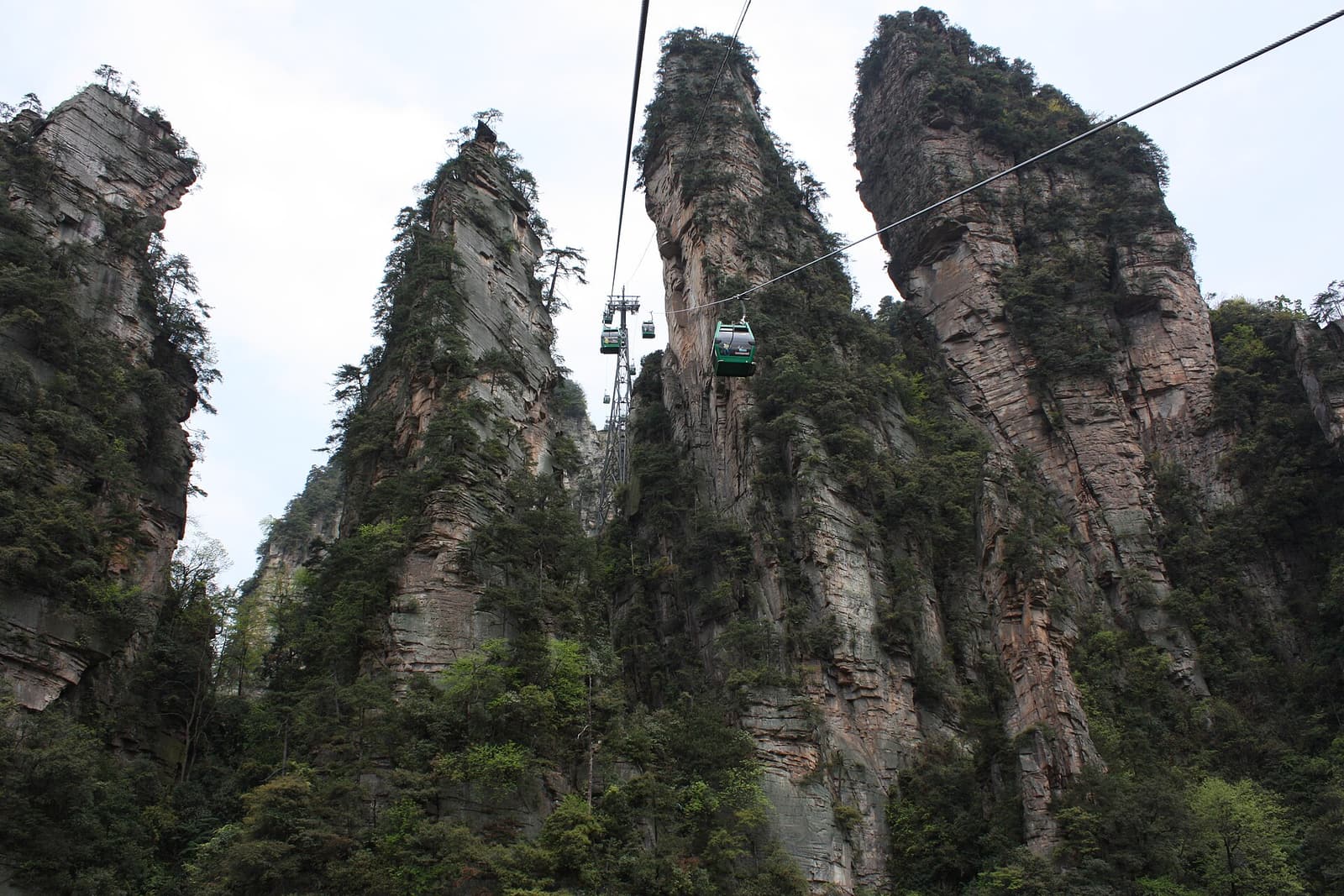
阅读攻略Zhangjiajie’s sandstone pillars inspired Avatar’s floating mountains. The park ticket is ¥228 for four days, and you need at least three to see Wulingyuan, Tianmen Mountain and the Glass Bridge. Base yourself in Wulingyuan town for the park, and in Zhangjiajie city for Tianmen. Avoid July–August and the first week of October.
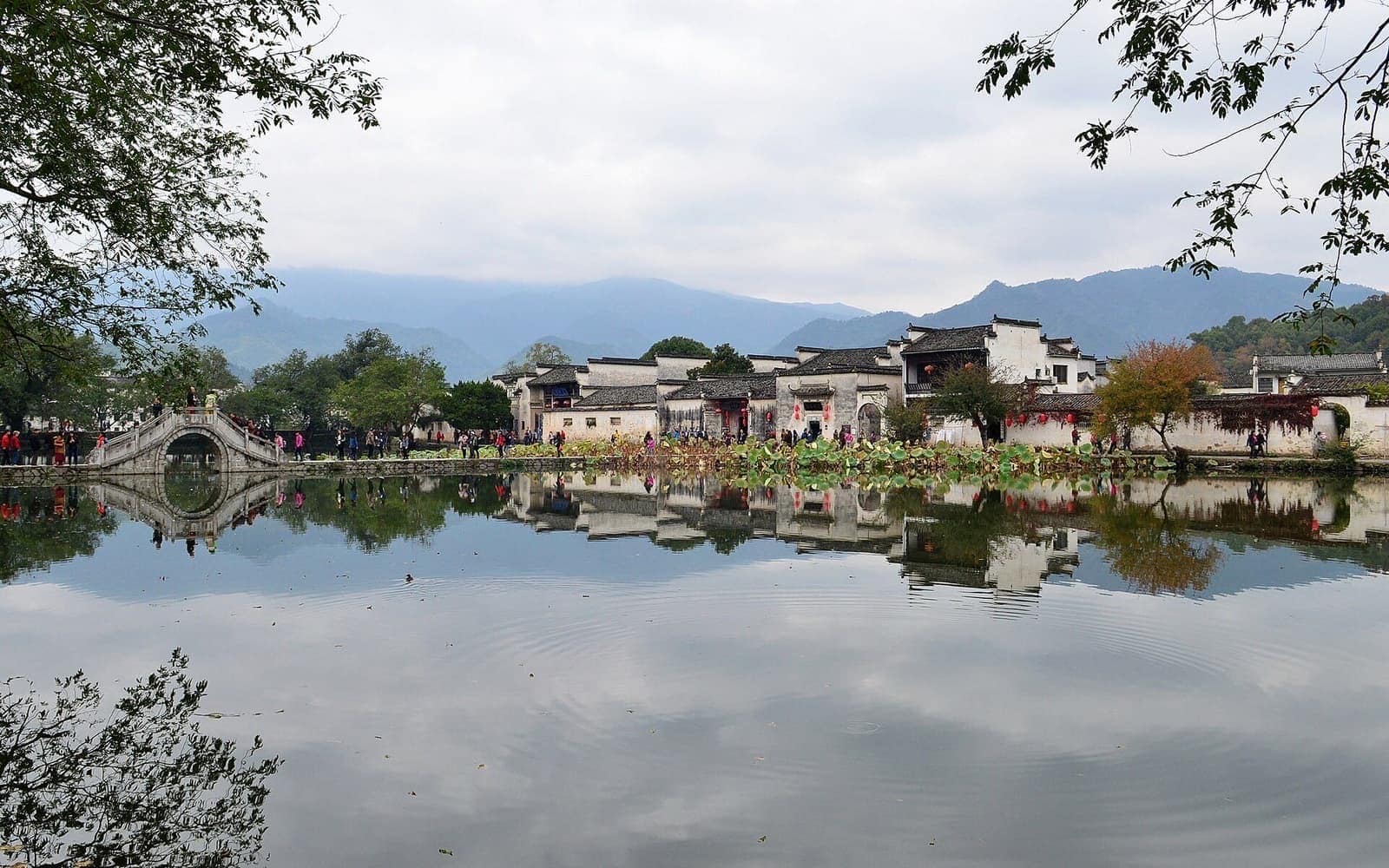
阅读攻略Huangshan is the granite-peak landscape behind a thousand Chinese paintings: pines growing from bare rock, cloud at dawn and tens of thousands of stone steps. It lies in southern Anhui, three hours by high-speed rail from Shanghai and ninety minutes from Hangzhou. Two days and one night on the summit is the sweet spot; a day trip spends half of it in cable cars.
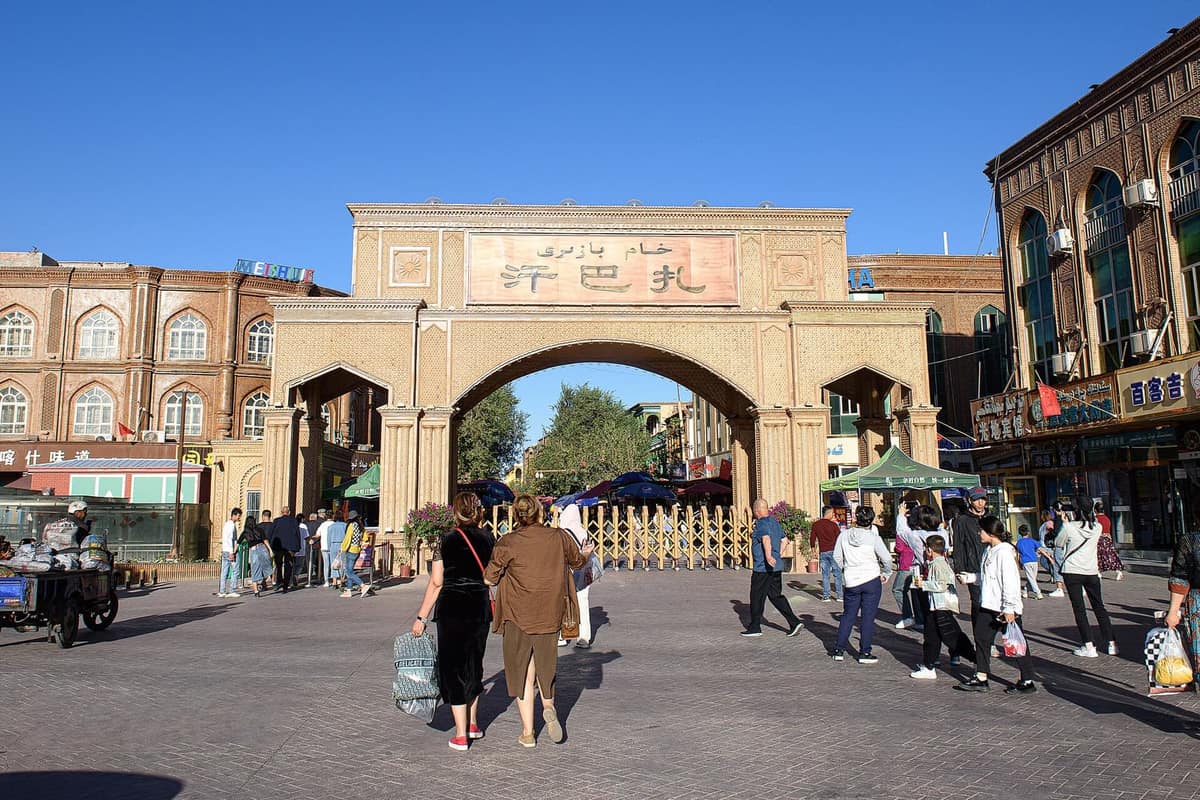
阅读攻略Xinjiang is China’s far west: a region the size of Western Europe where Silk Road oases, the Pamir plateau and the Tian Shan meet. Most trips pair Urumqi, the transport hub, with Kashgar — 2 hours by air, 2,000 km by road. Go May to October; expect border permits for the Pamir, frequent ID checks and a local clock two hours behind Beijing.
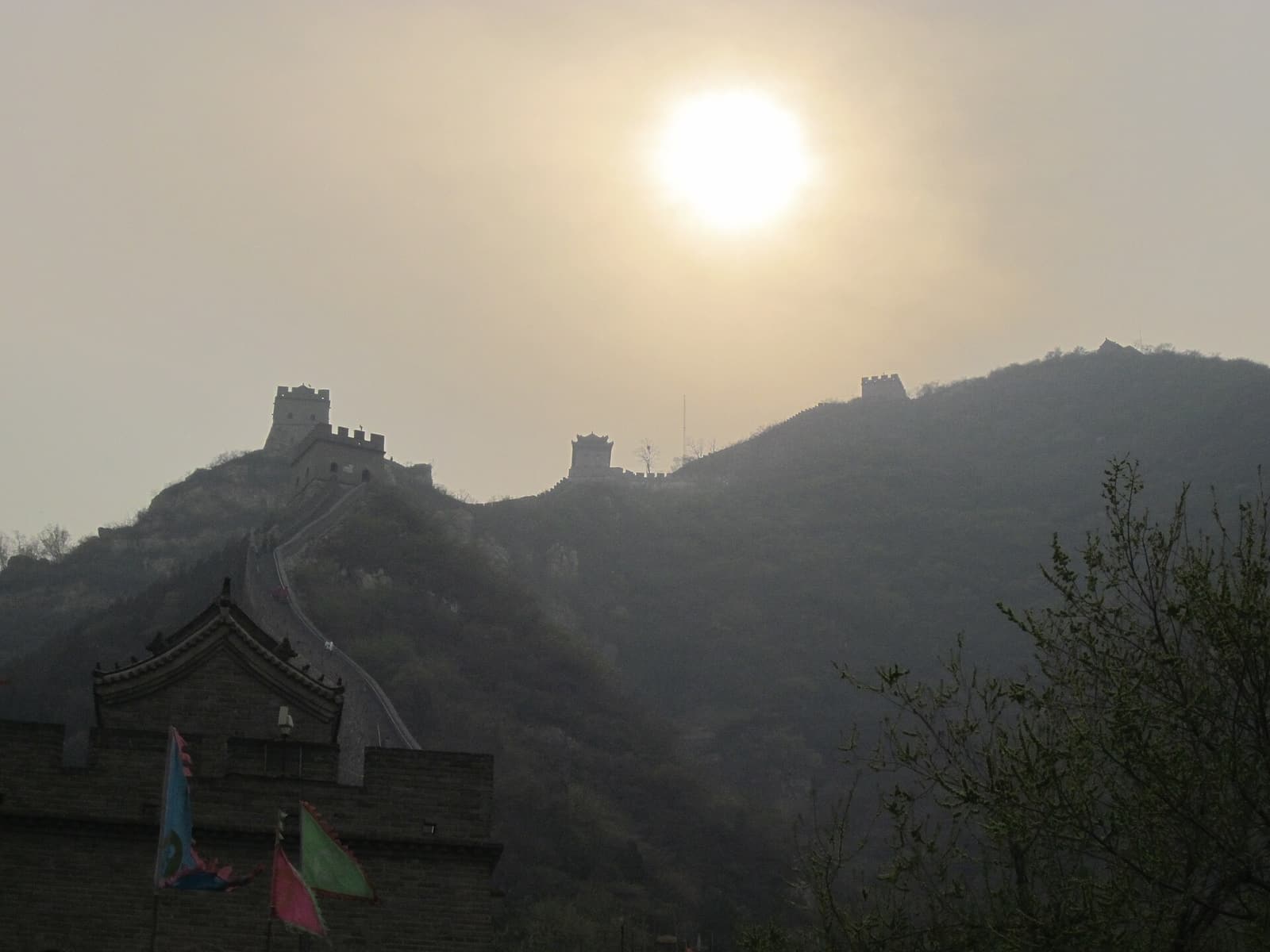
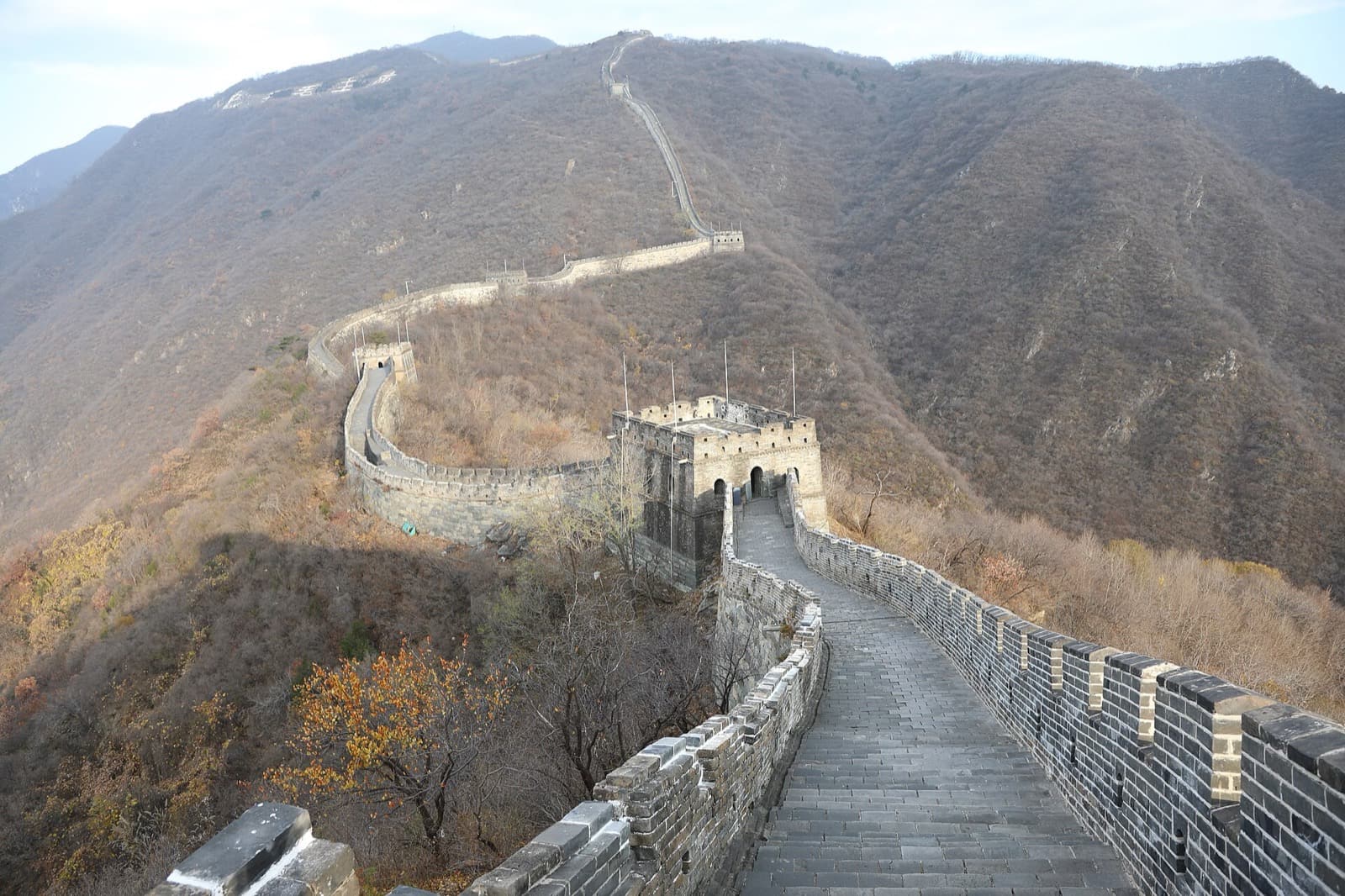
阅读攻略并不是所有的长城路段都是平等的.首次参观时选择穆蒂安尤——恢复,有线汽车服务及人群灯光——或金山林为野脊和照片.跳过巴达林除非你喜欢排队开业时间或下午2点后,从不参加国庆节.
阅读攻略中国有八大菜园,并建设了供共享的美食文化.每人大约订购一盘菜,加上一汤一主食,预计四川麻木香料和湖南直接热料,并告诉你的导师过敏性——每盘菜都可以改编.
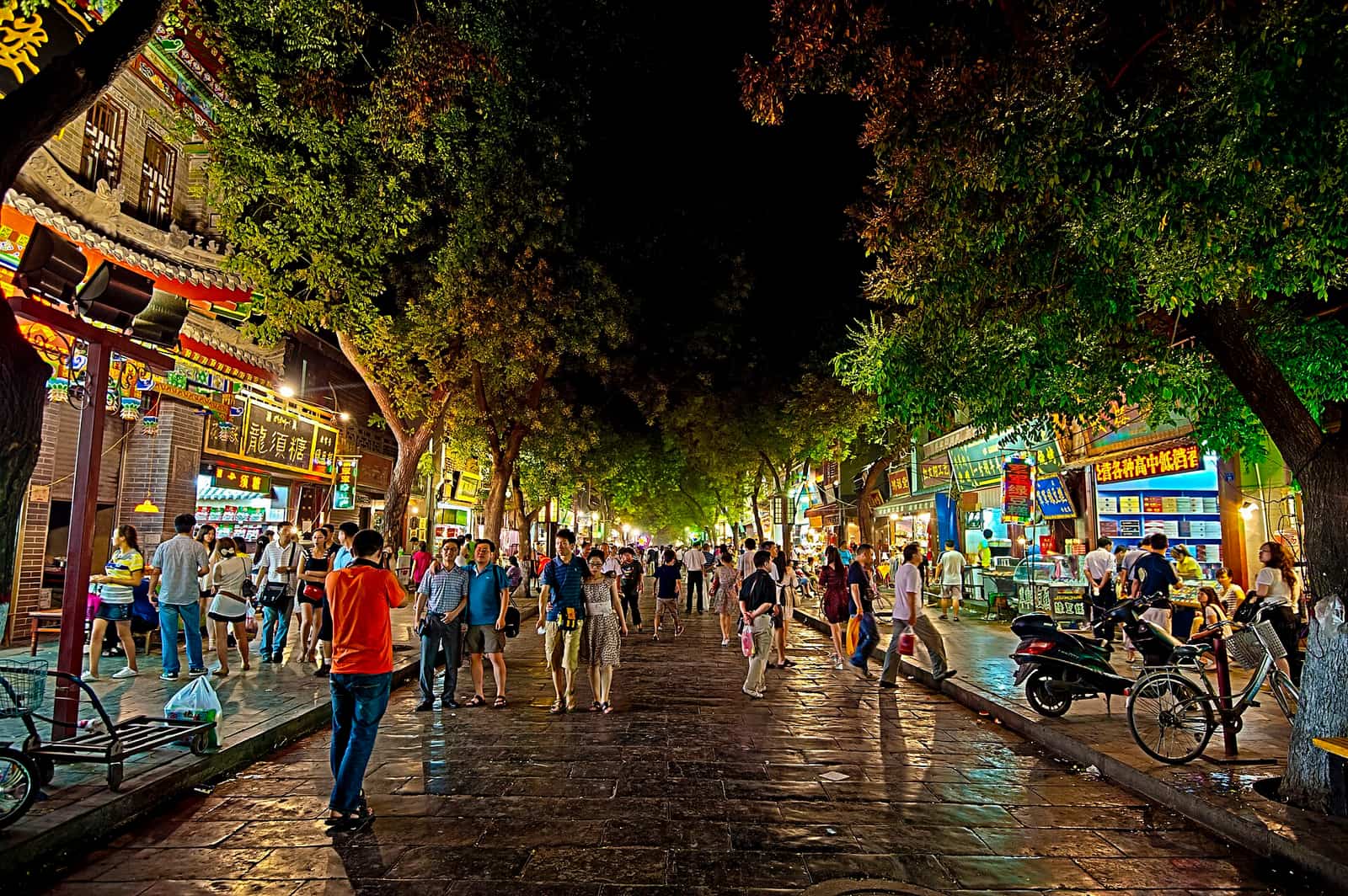
阅读攻略Street food is the cheapest and most regional way to eat in China: ¥5–25 per item, best from 17:00 at night markets and morning stalls before 09:00. Xi’an means roujiamo and biangbiang noodles, Chengdu means skewers and dan dan noodles, Guangzhou means dim sum and roast goose, and Shanghai means shengjian bao.
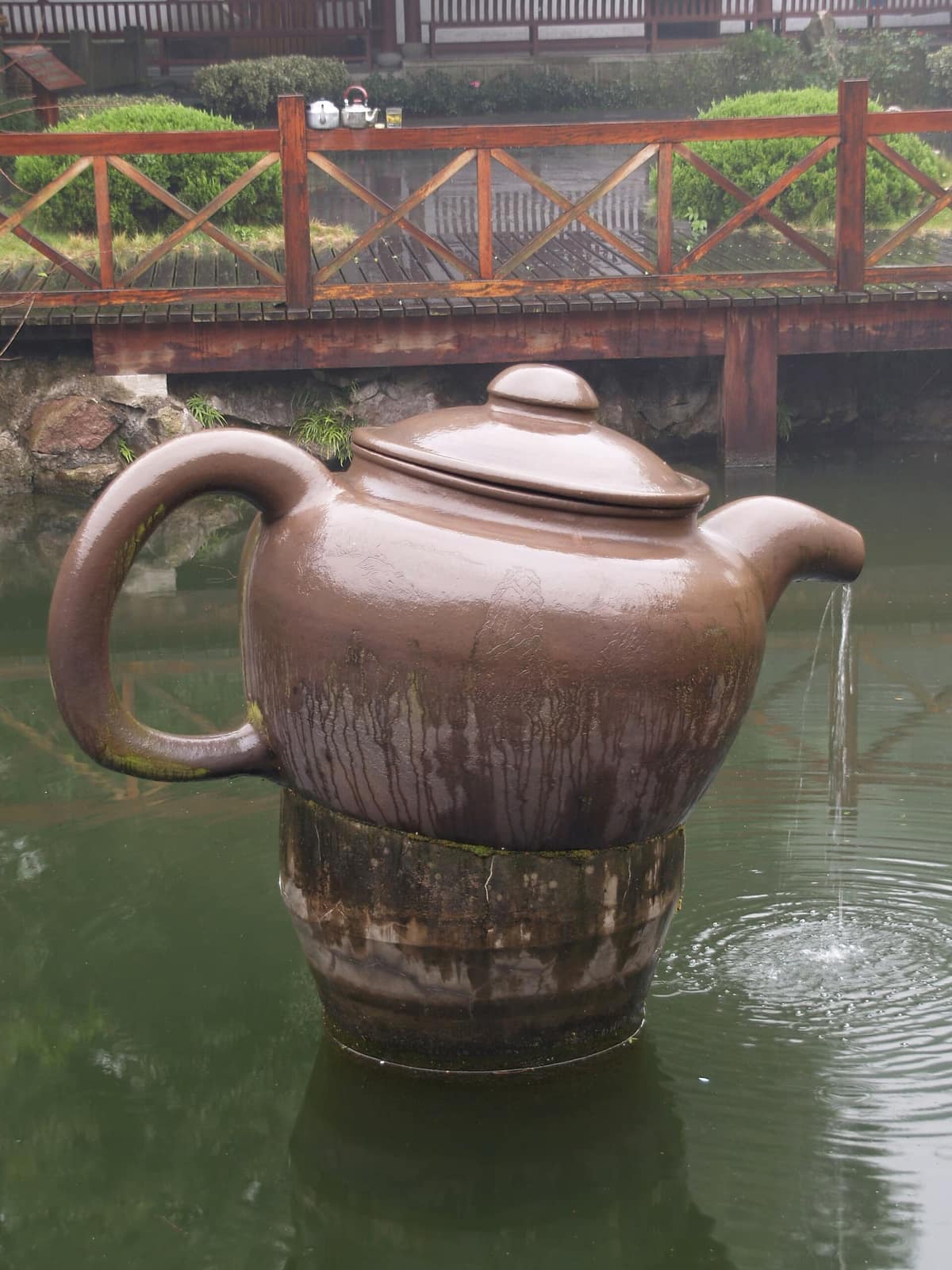
阅读攻略China produces six tea families: green, white, yellow, oolong, black (called red tea locally) and dark tea such as pu’er. Buy Longjing in Hangzhou, pu’er in Yunnan, oolong in Fujian and Taiwan-influenced Anxi, jasmine in Fuzhou and green tea in Sichuan. Expect ¥200–800 per 500 g for good quality; anything under ¥80 is usually stale or blended.
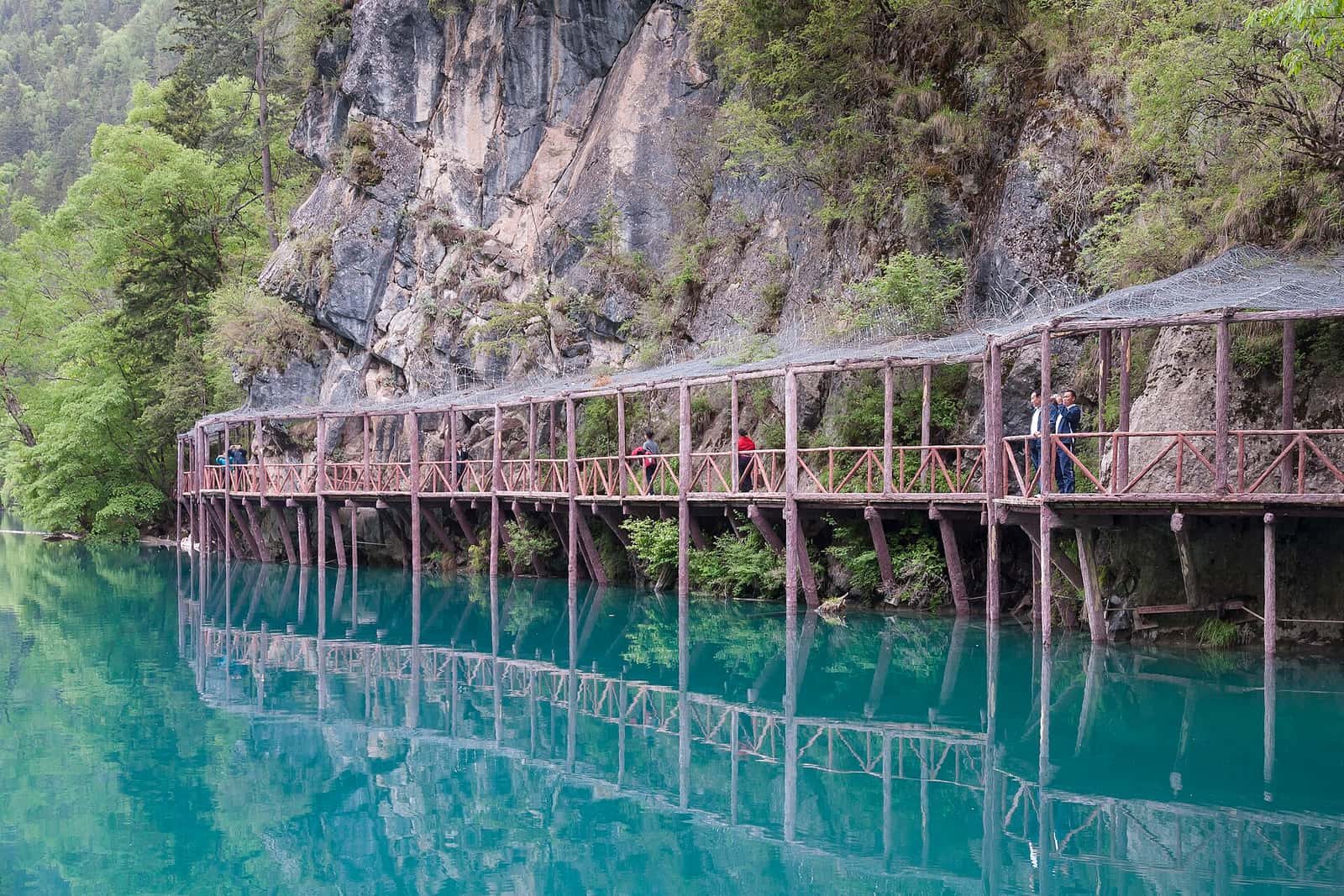
阅读攻略中国最优秀的登山有虎皮峡(2天,云南),黄山(2天,安徽),建口长城—木天玉(1天,北京),玉峰(4天,云南),张家界谷道(2天,湖南)和龙岩稻台(1~2天,广西).春秋为安全季节;夏季带来南方的雨,热和水蚤.
阅读攻略中国奖励早期开始:08:00前的穆蒂亚尼尤长城,日出时的元阳梯田,以及蓝色时段的布恩德号的上海天际线.无人驾驶飞机的使用在大多数城市和所有机场都被禁止,拍摄军事地点、警察和一些民族地区的检查站可能会造成真正的麻烦。拍人前问.
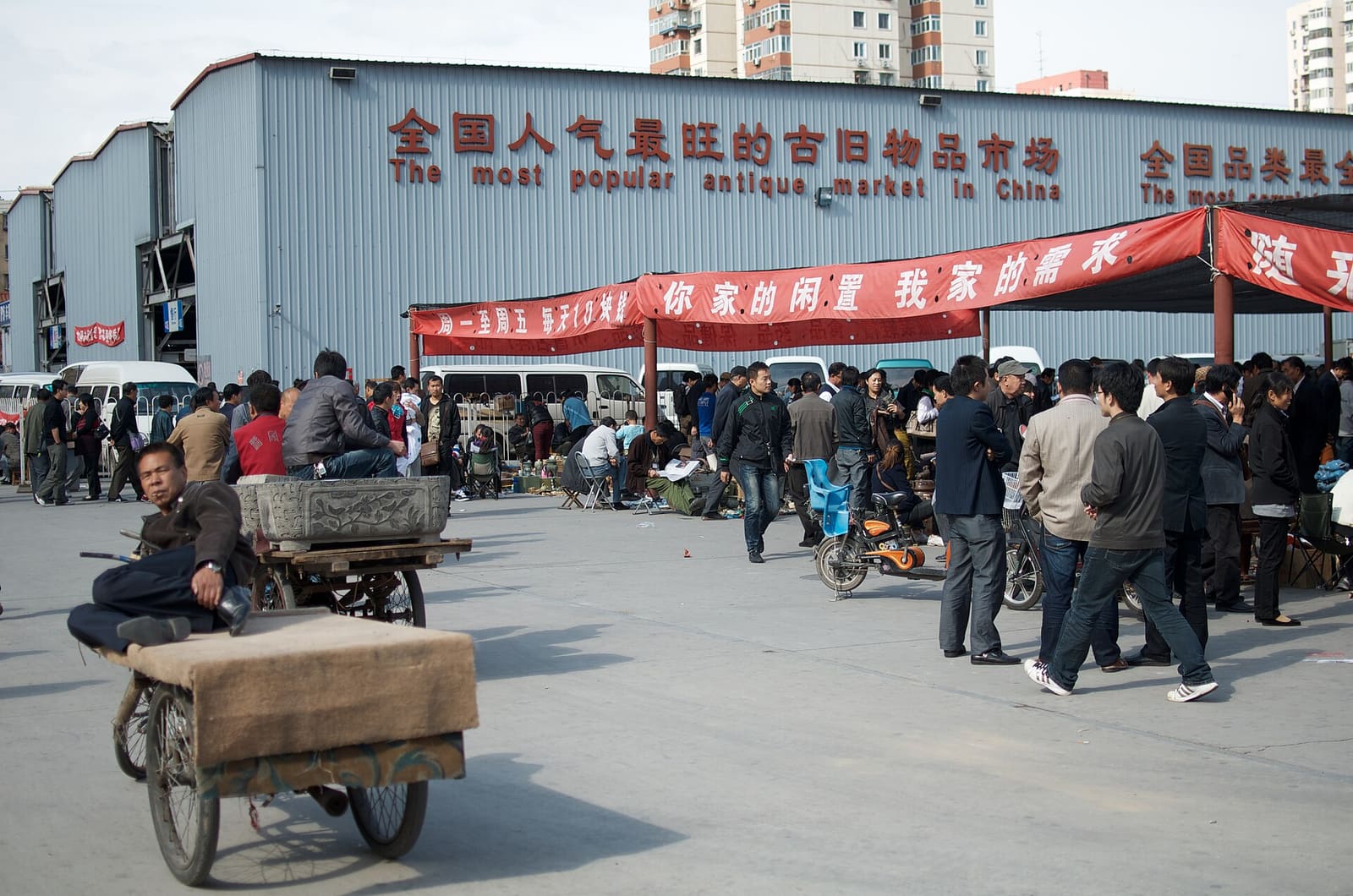
阅读攻略先后在杭州或成都买茶,苏州和杭州买丝,静德禅瓷,云南和新疆等地购工艺.部门商店的价格是固定的;市场预期讨价还价率将降至第一种报价的50-60%。要求一个fapiao,保留11%的离境退税收据,记住海外航运往往比额外的行李箱便宜.
阅读攻略中国是一个超级家庭目的地:安全城市,快速列车,儿童磁铁动物和热爱儿童的文化.秘密是步调不一——每天有一个大视野,有免费下午——和食物规划:各地都有温和的菜肴,连接酒店房间是标准.
阅读攻略独行中国是安全易行的名声:城市低犯罪率,旅店收外国人,翻译应用缩小了大部分差距.预算每晚150~400元人民币.
阅读攻略中国对年长的旅客来说是可行的,只要减速:每个城市最少要两晚,私人司机而不是公共交通,还有有电梯和步行淋浴的旅馆。黄山,张家汇和长城的有线汽车和穿梭巴士将大部分攀登的车辆去除.60岁以上的老年人经常凭护照获得半价机票.
阅读攻略北京,上海或广州停泊可变为真人参观:6小时够布恩德或胡同步行,12小时可以到穆蒂安尤或西湖长城,24小时可以到市内过夜,并有正餐.使用240小时免签证过境,允许3小时通过安全通道返回,并保留你的登机证.
阅读攻略飞前设置三个应用,中国大部分地区变得容易:与你的签证或Mastercard挂钩的Alipay或WeChat Pay(约10分钟),Amap或Baidu地图用于导航,因为Google地图在中国不可靠,Didi用于出租车.新增12306或Trip.com用于列车和酒店,外加带有离线包的翻译应用.谷歌,WhatsApp和Instagram等西方应用需要VPN,它被限制在访客的身上——围绕它进行规划.
阅读攻略英语在外的酒店,机场和国际餐馆中是有限的:在出租车,市场和较小的城市里,人们期望几乎没有英语.实用的解决方案是翻译应用+截图——GoogleTranslate被屏蔽,所以在飞前安装BaiduTranslate或Pleco.十个基本词和你们酒店的中国人物会把你带得很远
阅读攻略中国奖励小礼:长者先吃,筷子从来不直立地站在米饭里,小费是不必要的,模糊的`可能'通常意味着不。
阅读攻略出入境前的排序:签证或免签证资格、安装和测试VPN、Alipay或WeChat Pay连结卡、旅行电子旅游或漫游计划、外国人注册的旅馆预订、医疗保险、离线地图加翻译应用。其余的——现金,适配器,药材,文件副本——都适合一个晚上.
阅读攻略Both trips begin in Beijing and end in Shanghai. The choice turns on what you want to see between them.
阅读攻略内容更新于