哪里比较舒服
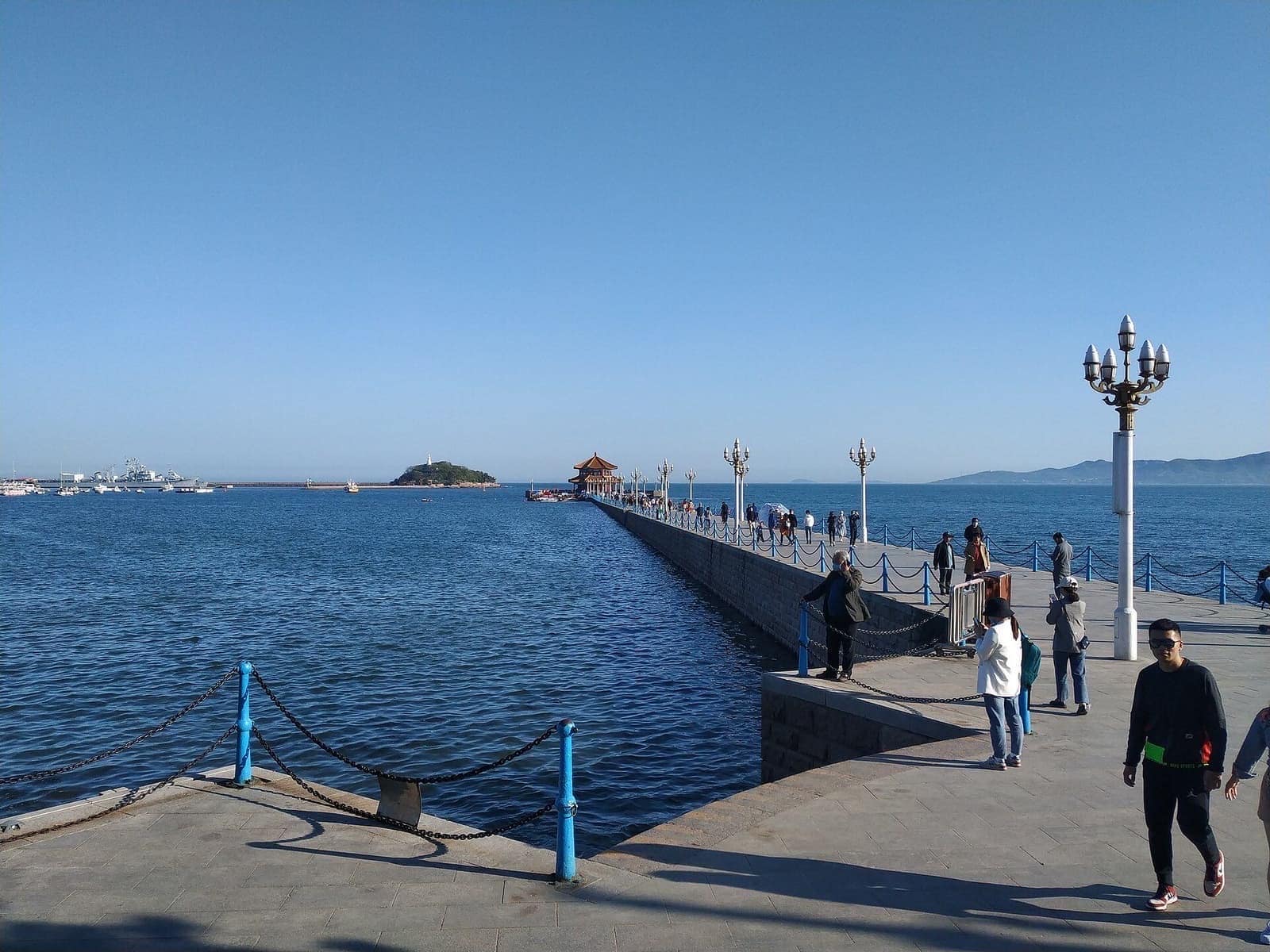
Kunming (20–26°C), Dali and Lijiang; Guiyang and the Guizhou waterfalls; Xining and the Qinghai Lake plateau (10–22°C, cold at night); Lhasa; and Harbin in the northeast. Coastal Qingdao and Dalian are pleasant in June with sea breezes. Zhangjiajie and Huangshan are cooler at altitude but busy and often misty.
热、雨和台风
The Yangtze basin has a “plum rain” season in June and early July, then real heat in July–August. The south coast faces typhoons from July to September, which can cancel flights and ferries with a day’s notice. Plan indoor alternatives — museums, temples, teahouses — and keep one flexible day in coastal itineraries.
如何在大城市应付
Start at 07:30, rest between 12:00 and 15:00, and go out again in the evening when streets come alive. Carry water, electrolytes and sun cream; Chinese pharmacies sell cheap rehydration sachets. Use the metro rather than walking, and pack mosquito repellent for parks and river cruises. Many attractions sell evening tickets, which are cooler and quieter.
共同问题
夏天访华时机不是时候吗?.
Not if you choose the right region. Skip Beijing and Shanghai in July–August if you dislike heat, and head to Yunnan, Guizhou, Qinghai or Harbin. Prices and crowds peak in the school holidays from mid-July to late August.
中国雨季何时到.
The Yangtze basin’s plum rain runs from mid-June to early July, with heavy but usually short downpours. Southern coastal typhoons peak from July to September. The north is driest, with brief July thunderstorms.
官方来源
- China Meteorological Administrationsummer climate data
旅游线路
内容更新于